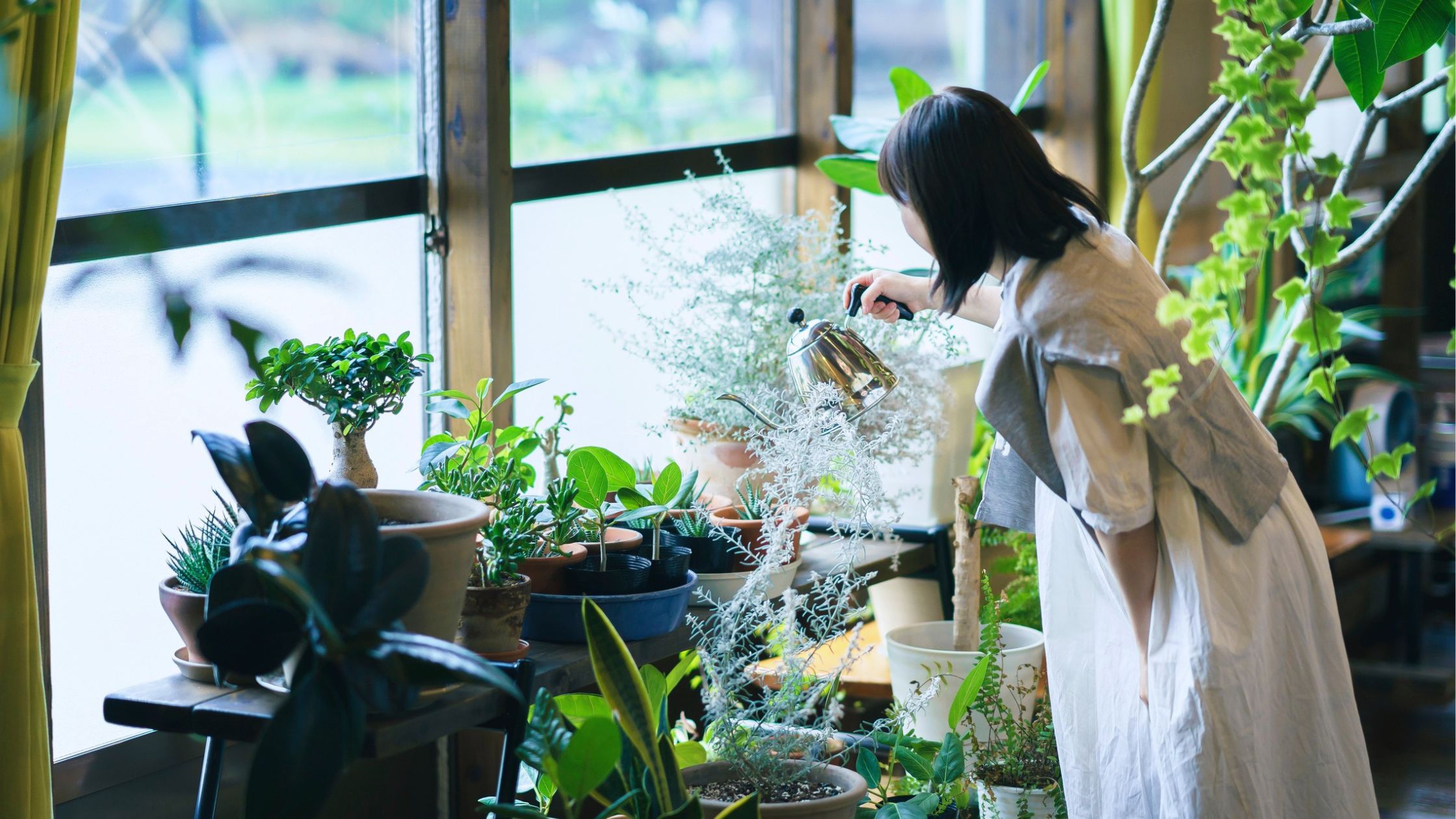
Excess moisture in the home can lead to musty odors, poor indoor air quality, and eventually mold growth. While houseplants won’t eliminate an existing mold problem or replace proper ventilation, some plants may help create a healthier indoor environment by supporting air quality and thriving in humidity-prone spaces. These 6 plants have been studied for their ability to filter certain airborne pollutants, while others are particularly well-suited to areas where moisture tends to accumulate. When combined with proper airflow, routine cleaning, and humidity control, these plants can be a beautiful and practical addition to your home.
How Can Houseplants Help Reduce Conditions That Encourage Mold?
Before diving into specific plants, it’s important to understand that mold thrives in damp environments with poor air circulation. Bathrooms, kitchens, laundry rooms, and basements are often the most vulnerable areas of the home. Although plants cannot remove mold growing behind walls, under flooring, or in damp building materials, they may contribute to a healthier indoor environment in several ways.
1)They May Improve Indoor Air Quality
Certain houseplants have been studied for their ability to remove small amounts of airborne pollutants known as volatile organic compounds (VOCs). These compounds can be released by cleaning products, paints, furniture, flooring, and other household materials.
2)They Help Create a Healthier Indoor Environment
Plants encourage homeowners to pay closer attention to indoor conditions such as humidity, airflow, and lighting. Maintaining healthy conditions for houseplants often aligns with maintaining healthy conditions for your home.
3)They Thrive in Moisture-Prone Areas
Many of the plants on this list naturally enjoy the same humid conditions found in bathrooms, kitchens, and laundry rooms, making them excellent choices for these spaces.
6 Plants That Naturally Fight Mold in Your Home
1. English Ivy
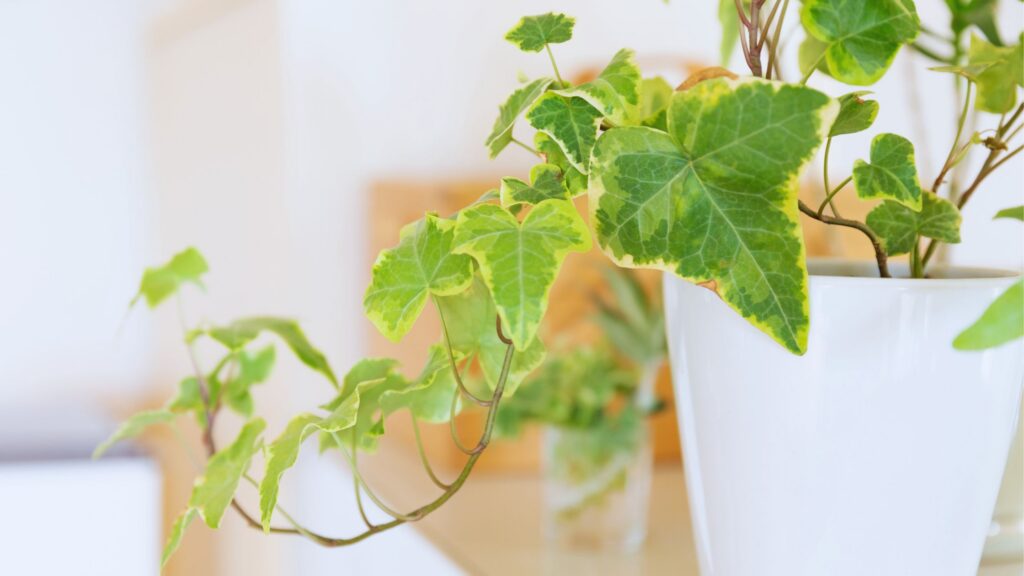
English ivy is one of the most frequently mentioned plants when discussing indoor air quality. Its cascading vines provide a large amount of leaf surface area, which may help trap airborne particles and contribute to cleaner indoor air over time.
Because English ivy tolerates humidity well, it performs especially well in bathrooms and laundry rooms where moisture levels tend to be higher. This adaptability makes it a popular choice for homeowners looking to add greenery to areas that may be more susceptible to mold-friendly conditions.
Why It May Help
- Thrives in humid environments
- Large leaf surface area may help capture airborne particles
- Often included in indoor air quality studies
- Well-suited for bathrooms and laundry rooms
Growing Tips
- Provide bright, indirect sunlight.
- Allow the top inch of soil to dry between waterings.
- Prune regularly to encourage healthy growth.
2. Peace Lily
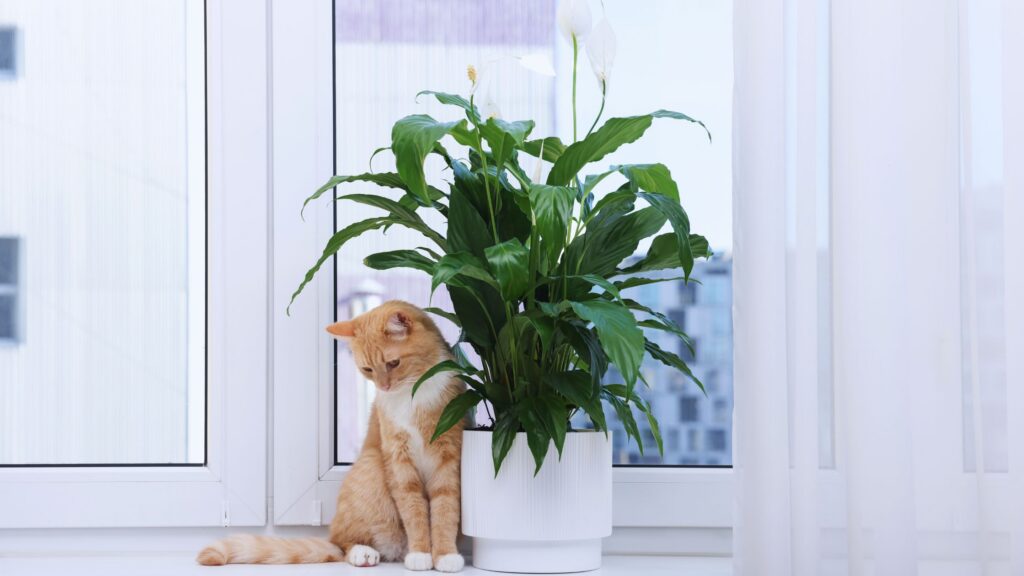
The peace lily is one of the most popular houseplants for improving indoor environments. Its broad, glossy leaves provide significant surface area for air interaction, and the plant naturally thrives in humid conditions.
Because peace lilies prefer moisture-rich environments, they are often recommended for bathrooms and other rooms where humidity levels remain elevated. Their ability to flourish in lower light conditions makes them accessible even in homes with limited natural sunlight.
Why It May Help
- Thrives in humidity-rich spaces
- Frequently included in air quality discussions
- Performs well in lower-light rooms
- Excellent choice for bathrooms
Growing Tips
- Keep soil lightly moist.
- Place in medium to low indirect light.
- Avoid prolonged direct sunlight.
Note: Peace lilies are toxic to pets if ingested.
3. Snake Plant
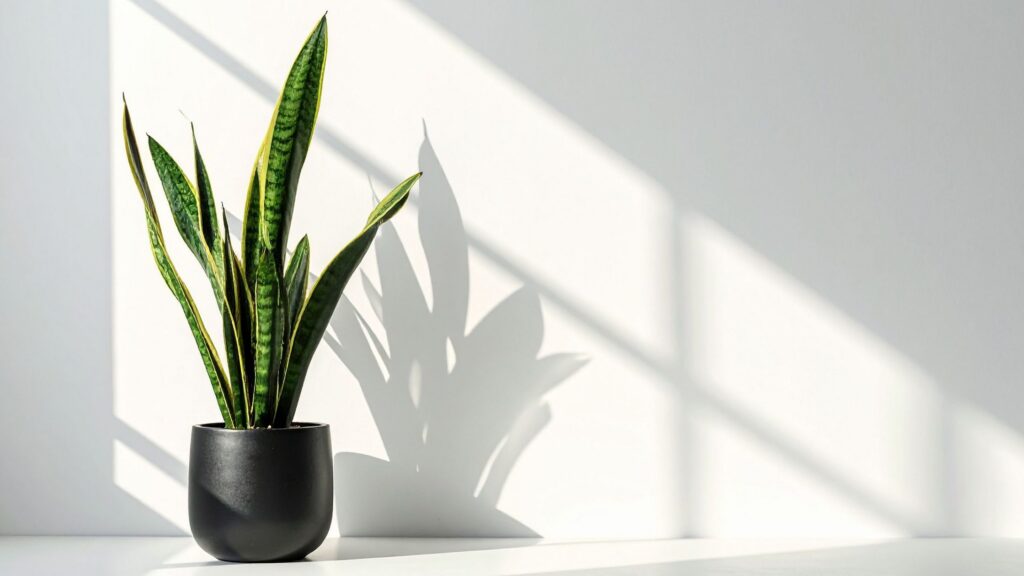
The snake plant has earned a reputation as one of the toughest and easiest houseplants to maintain. Unlike many indoor plants, it tolerates inconsistent watering and a wide range of lighting conditions.
Snake plants are frequently recommended for indoor air quality because of their resilience and ability to thrive with minimal care. For homeowners seeking a low-maintenance option, few plants offer as much benefit with so little effort.
Why It May Help
- Frequently cited in indoor air quality studies
- Extremely easy to care for
- Adaptable to many indoor conditions
- Suitable for bedrooms, offices, and living spaces
Growing Tips
- Allow soil to dry completely between waterings.
- Place in bright indirect light when possible.
- Avoid overwatering.
Note: Snake plants are toxic to pets if ingested.
- Related article: Benefits of Snake Plants in Your Bedroom
4. Boston Fern
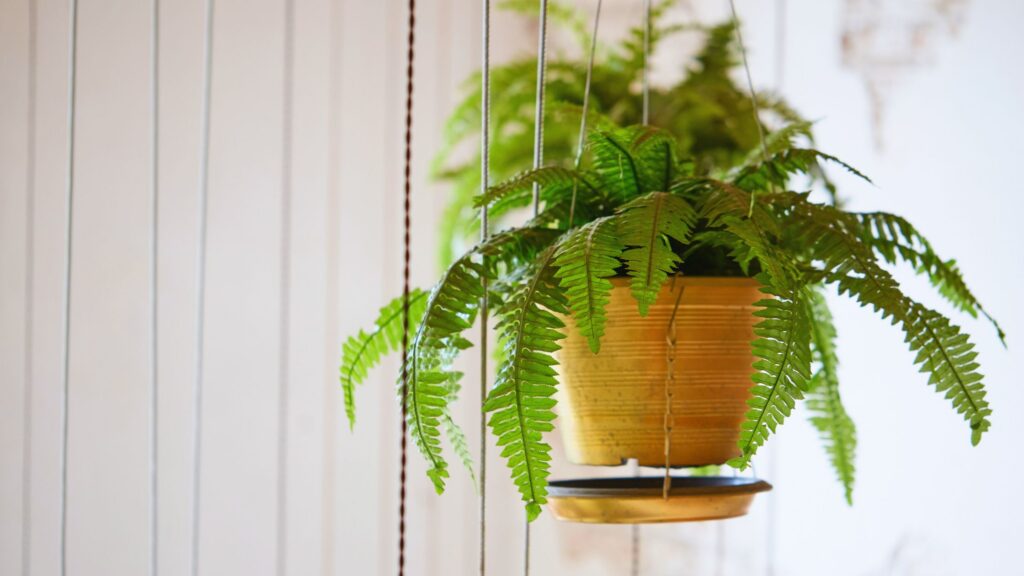
Boston ferns are well-known for their lush foliage and love of humidity. In fact, they often perform best in the very environments where moisture tends to accumulate.
Their dense, feathery leaves provide abundant surface area and make them one of the most commonly recommended plants for bathrooms and sunrooms. Because they thrive in humid conditions, they can be an excellent addition to spaces where homeowners are working to create a balanced indoor environment.
Why It May Help
- Thrives in humid conditions
- Dense foliage provides significant leaf surface area
- Well-suited to bathrooms and kitchens
- Popular choice for improving indoor greenery
Growing Tips
- Keep soil consistently moist.
- Provide bright, indirect sunlight.
- Mist occasionally if indoor air is dry.
5. Areca Palm
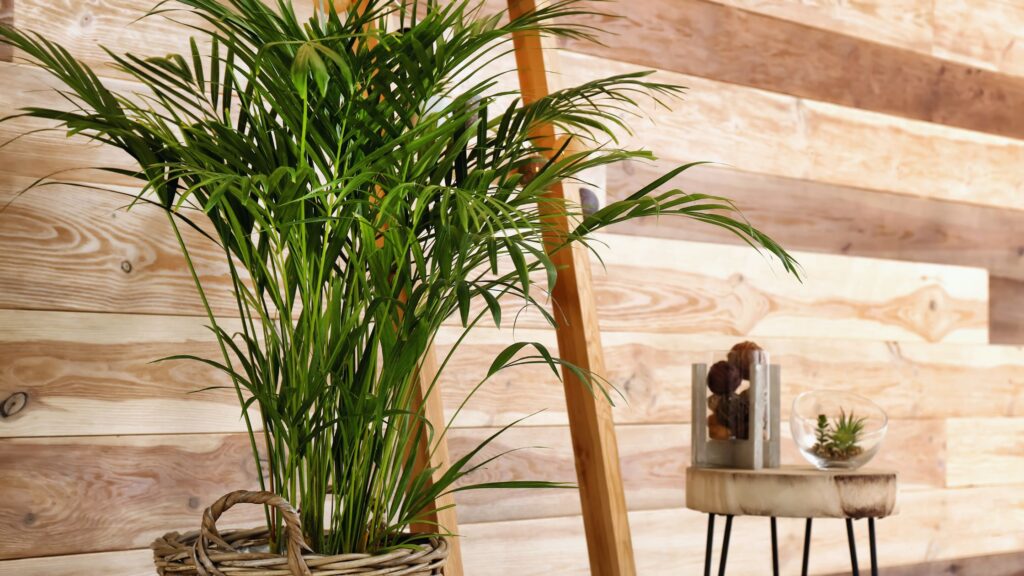
If you’re looking for a larger plant with practical benefits, the Areca Palm is worth considering. This graceful palm produces numerous fronds, creating extensive leaf coverage that interacts with indoor air.
Its preference for consistent moisture and bright indoor conditions makes it a strong candidate for living spaces where homeowners want both beauty and functionality.
Why It May Help
- Large number of fronds increases leaf surface area
- Frequently included in discussions about indoor air quality
- Thrives indoors with proper care
- Adds greenery to larger spaces
Growing Tips
- Place in bright, indirect sunlight.
- Water when the top few inches of soil feel dry.
- Protect from drafts and heating vents.
6. Spider Plant
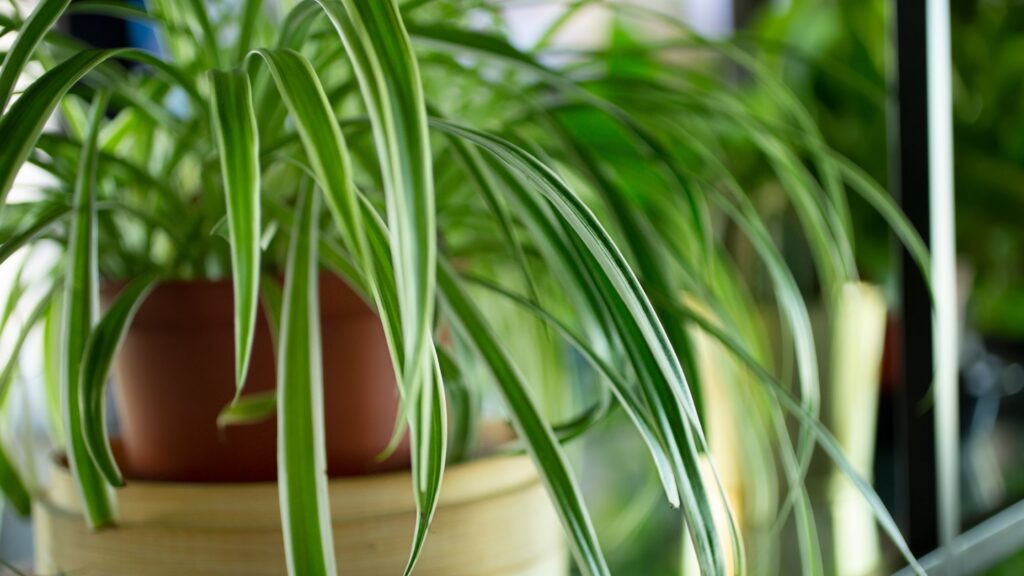
Spider plants are among the easiest and most forgiving houseplants available. Their arching leaves grow quickly and require minimal maintenance, making them ideal for beginners.
They are frequently recommended as starter plants because they adapt well to various indoor conditions while still contributing to a healthier-looking indoor environment.
Why It May Help
- Easy to grow and maintain
- Adaptable to many indoor environments
- Produces numerous offshoots for propagation
- Excellent beginner-friendly option
Growing Tips
- Provide bright, indirect light.
- Water when soil begins to dry.
- Trim brown tips as needed.
The Best Places to Put These Plants
Strategic placement can help you get the most from your houseplants.
Bathrooms
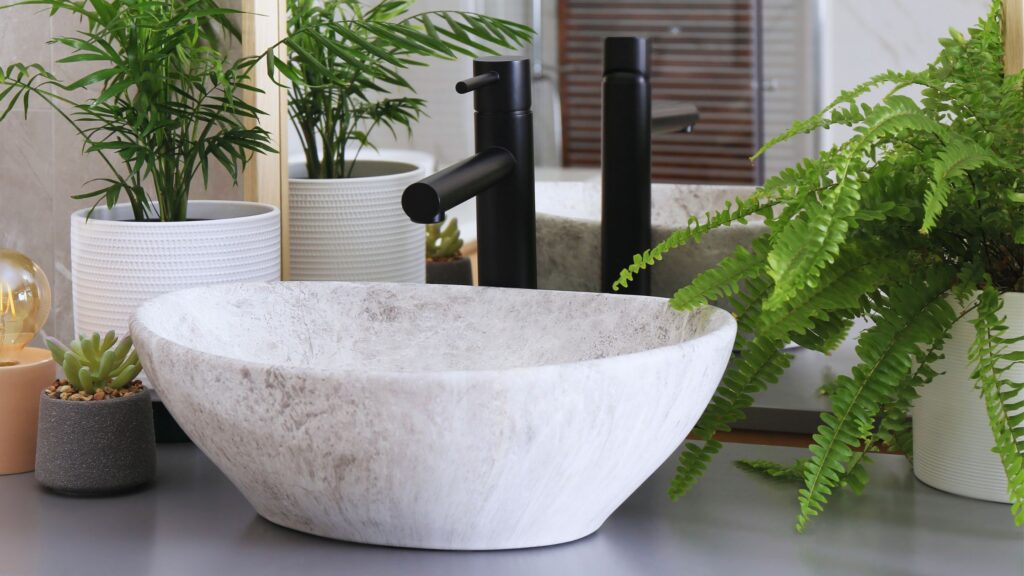
Bathrooms naturally produce humidity from showers and baths, making them an ideal location for:
Laundry Rooms
Laundry rooms often experience elevated moisture levels from washing machines and dryers. Consider:
Kitchens
Cooking can increase humidity and airborne particles.
Good choices include:
Basements
Finished basements may benefit from plants that tolerate lower light conditions.
Consider:
Bedrooms and Home Offices
These rooms often benefit from easy-care plants that tolerate indoor conditions well.
Consider:
Additional Ways to Prevent Mold Naturally
While plants can be helpful additions, the most effective mold prevention strategies include:
- Fix leaks immediately.
- Use bathroom exhaust fans and keep them running after you’ve showered.
- Run a dehumidifier when necessary.
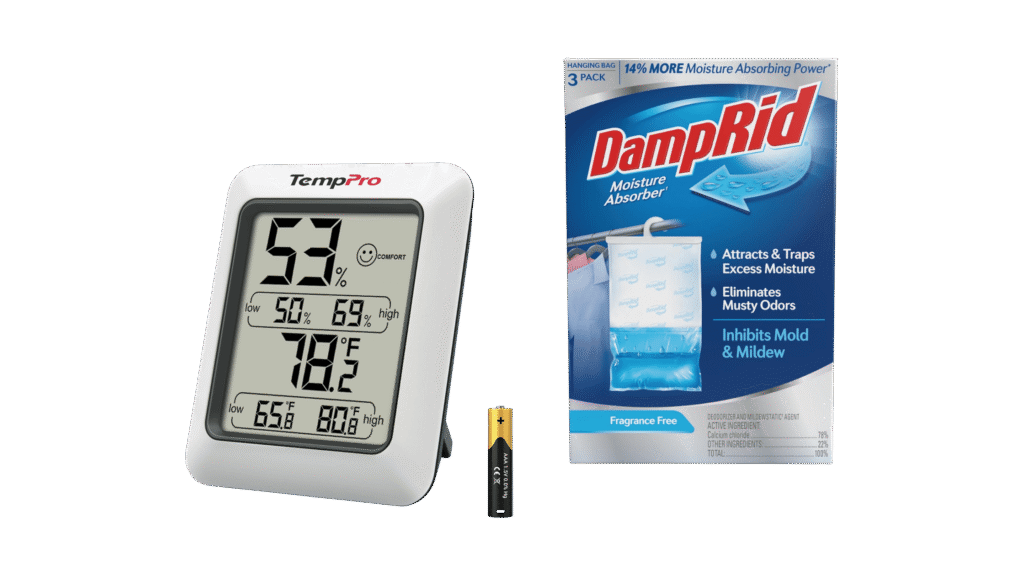
- Keep indoor humidity between 30% and 50% – a hygrometer can help you monitor humidity levels.
- Air Out Your Home Daily – just 5 to 15 minutes each day can help exchange stale indoor air for fresh outdoor air.
- Use Moisture-Absorbing Products – DampRid bags, hanging moisture absorbers
Plants work best when combined with these proven mold-prevention practices.
Final Thoughts
Modern homes are more energy-efficient than ever before. Tighter building envelopes, improved insulation, and high-performance windows help keep heating and cooling costs down throughout the year. While these advancements have many benefits, they can also create an unexpected challenge: moisture has fewer opportunities to escape. In older homes, air naturally moved in and out through small gaps and cracks. Today’s homes are built to be much more airtight, which helps conserve energy but can also allow humidity from showers, cooking, laundry, and everyday living to linger indoors longer than it once did. When excess moisture combines with poor ventilation, it can create the perfect environment for mold and mildew to develop. That’s why maintaining healthy indoor air quality has become increasingly important for homeowners.
While houseplants aren’t a cure for mold problems, these 6 varieties can help support a fresher indoor environment and thrive in the same humidity-prone spaces where mold concerns are most common. Combined with proper ventilation and moisture control, these plants can be a beautiful and natural addition to a healthier home.
- Related article: Mold Toxicity: Protect Your Home and Detox Your Body
Sources
NASA Clean Air Study
University of Florida IFAS Extension
Missouri Botanical Garden Plant Finder
Royal Horticultural Society (RHS)
Clemson Cooperative Extension