You’ve probably heard whispers about mold toxicity—and maybe even wondered if it could be affecting you. The truth is, more and more people are discovering that mysterious symptoms like fatigue, brain fog, sinus issues, and even anxiety may be linked to hidden mold in their homes. With houses today being built “tighter” to conserve energy, airflow is reduced, moisture gets trapped, and mold has the perfect environment to thrive.
The good news? Awareness is growing. And by learning how to spot, prevent, and treat mold problems early, you can protect both your home and your health.
1. Why Mold Toxicity Is on the Rise
Older homes often had natural drafts that allowed airflow. Today’s energy-efficient homes are sealed to keep costs down—but this also means humidity, leaks, or spills don’t dry as quickly. Add in basements, bathrooms, and kitchens (all high-moisture zones), and mold can quietly grow where you least expect it.
Signs you might have hidden mold exposure include:
-Chronic sinus infections or congestion
-Coughing or difficulty breathing indoors
-Unexplained fatigue or brain fog
-Allergies that worsen at home

2. Where Mold Loves to Hide
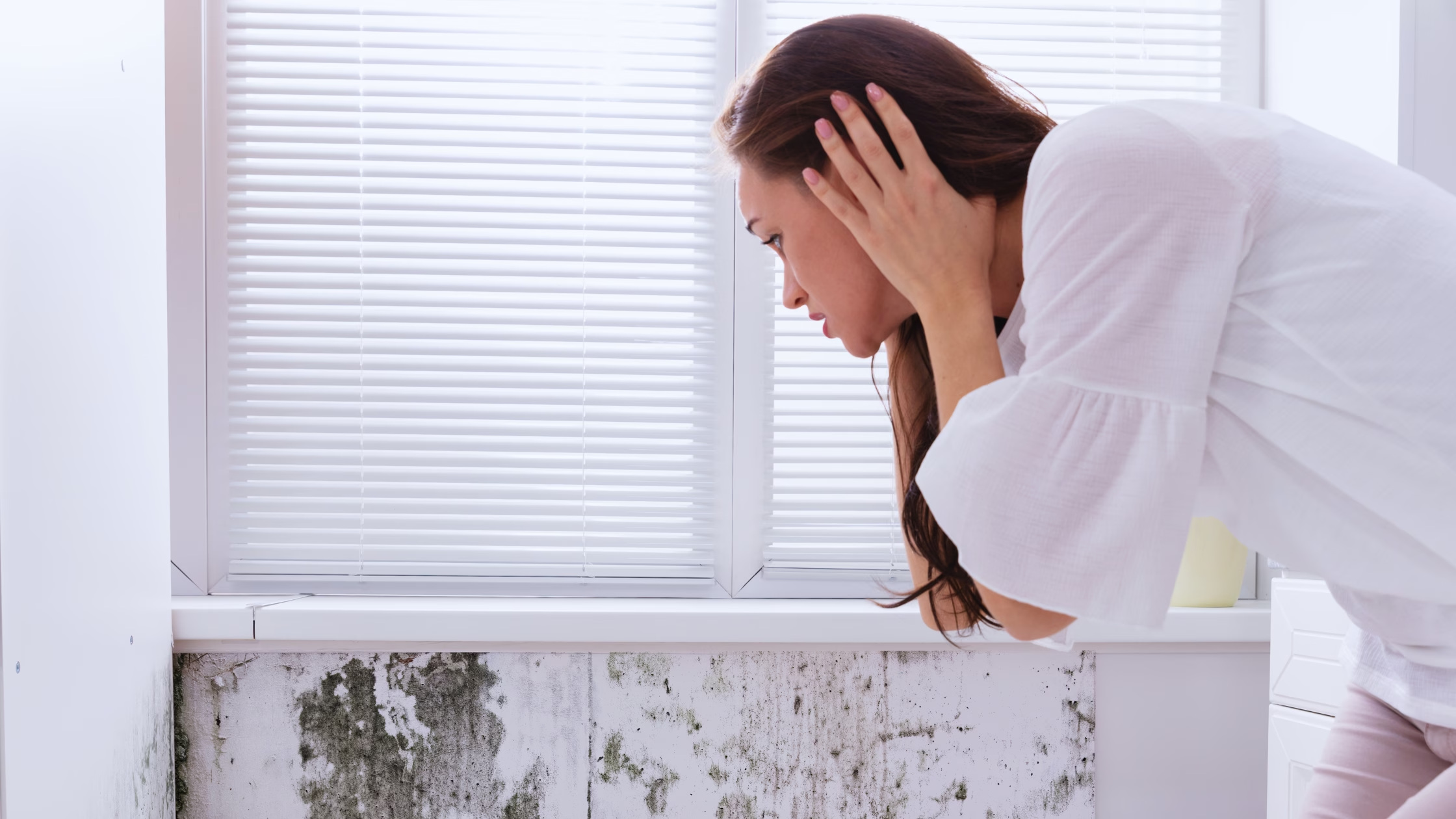
Mold isn’t always visible. Beyond black spots in the bathroom, mold can hide behind walls, under carpets, or inside HVAC systems. Some common hiding spots and signs to watch for include:
-Behind drywall or wallpaper
-Under carpets and rugs
-Persistent condensation on windows or walls
-Inside HVAC systems
-Under sinks and behind appliances
-A musty odor in specific rooms
-Warped wood, bubbling paint, or water stains
-Allergy-like symptoms that improve when you leave the house
Shop Mold Test Kits:
A simple first step if you suspect mold but don’t know where to start. Below are 3 options from most budget-friendly to least.
- Mold Test Kit for Home – 12 Simple Detection Tests
- Healthful Home 5-Minute Mold Test. Aspergillus/Penicillium and Stachybotrys. No Waiting Days
- FLIR MR160 – Thermal Imaging Moisture Meter
3. Prevention: The Best Defense
Keeping mold out of your home starts with moisture control:
-Use a dehumidifier in basements and damp rooms.
- Waykar 80 Pints 2025 Energy Star Dehumidifier for Spaces up to 5,000 Sq. – $$$
- Dehumidifier,TABYIK 35 OZ Small Dehumidifiers for Room/Home
-Always use ventilation fans when showering or cooking.
-Fix leaks quickly.
-Open windows daily to allow fresh air circulation.
–Clean your HVAC system filters regularly and consider a HEPA air purifier
–Take care of fabrics and carpets: steam-clean rugs, sprinkle baking soda to absorb odors, and wash curtains frequently.
–Don’t forget small spaces: trash cans, toilet bowls, and baseboards can trap moisture and grow mold colonies.
- 12 Pack Bamboo Air Purifying Bag, Activated Charcoal Moisture Absorber– easy & affordable solution
4. Cleaning Mold Safely
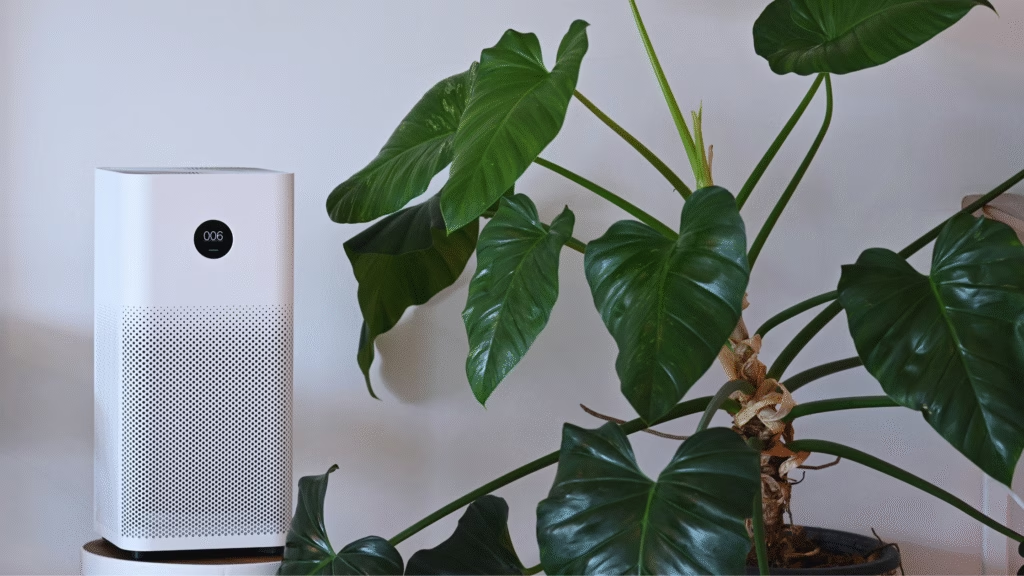
Small amounts of surface mold (like in bathrooms) can often be cleaned with natural solutions.
-Mix vinegar and water in a spray bottle.
-Apply to affected area and let sit before scrubbing.
-Avoid bleach—it often just whitens the surface but doesn’t kill mold roots.
-Always make sure to exercise extreme caution when attempting to clean or remove mold. Use gloves, and most importantly a mask and protective eyewear. Once you disrupt mold the spores become airborne and you risk inhaling them.
-DO NOT USE BLEACH ON MOLD! It will not address the root cause on the mold but most importantly it will create a toxic gas.
A powerful and non-toxic cleaner that destroy Mycotoxins:
- Superstratum Everyday Cleaner – so many more products available on their website: SUPERSTRATUMLABS.COM
For large infestations, professional remediation is essential.
5. Air Quality Matters
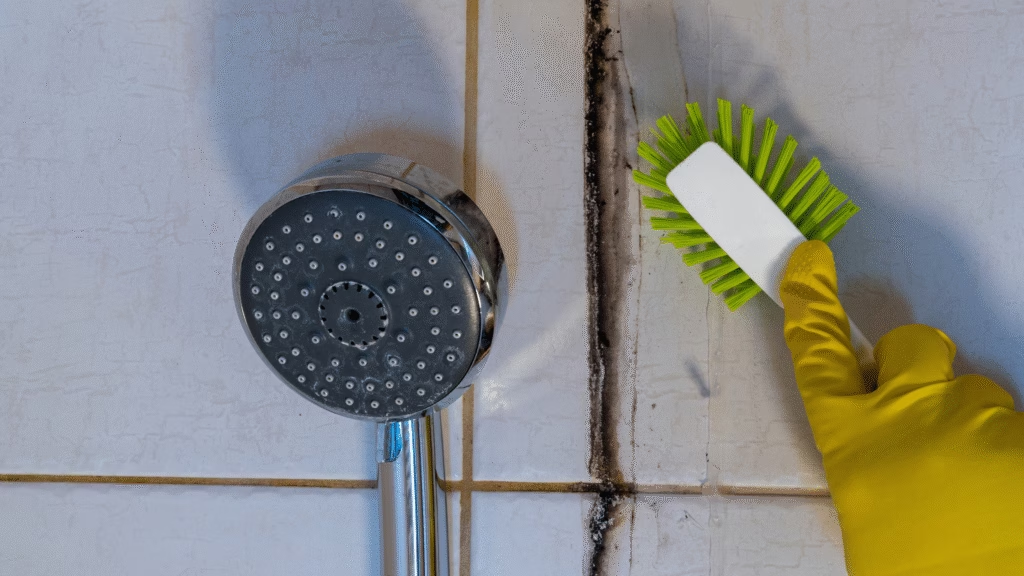
If mold spores are circulating, even small amounts can keep triggering your system. Air purifiers with HEPA filters can help trap spores and improve your indoor environment.
Top Product Recommendations:
- Levoit Core 300 Air Purifier – Budget-friendly
- IQAir HealthPro Plus Air Purifier – Premium
- Related article: Plants That Naturally Fight Mold in Your Home
6. Support Your Health
If you suspect mold toxicity, work with a knowledgeable doctor. In the meantime, simple lifestyle shifts can support your body’s detox pathways:
–Stay hydrated, Drink plenty of filtered water to flush toxins.
-Support your liver with Sulforaphane-rich foods (Cruciferous veggies ) like broccoli help the body detoxify excess estrogen and environmental toxins.
–Binders: Activated charcoal or bentonite clay may help bind and eliminate toxins (with medical guidance)
–Antioxidants: Vitamin C and glutathione support immune defense and detox pathways.
–Sauna sessions (infrared or traditional): sweating helps push toxins out through the skin.

7. When to Seek Professional Help
If you suspect mold illness, consult a functional medicine practitioner who can test for mycotoxins and guide you through a personalized detox plan. Similarly, if mold in your home is widespread, hire a professional remediation service . DIY isn’t always enough.
Mold may be hidden, but its impact is real. As awareness grows, so does the opportunity to take action. By keeping your home dry, ventilated, and purified, you can prevent mold from taking root—and protect your family’s health in the process.
Remember: the tighter our homes are sealed, the more important it is to stay proactive against mold.
Takeaway: Start with awareness, add the right prevention tools, and never ignore the signs your body (or your home) may be giving you.