Roses may be the stars of the garden, but even stars need the right supporting cast. While companion planting can enhance growth, deter pests, and elevate the entire look of your garden bed, the wrong pairing can quietly stunt blooms, invite disease, or compete for nutrients. If you’re intentionally designing a rose garden that feels full, healthy, and thoughtfully styled, knowing what not to plant is just as important as knowing what works beautifully. So if you’re looking for the right pairings instead, you can read our guide on the 10 best companion plants to plant with roses to build a bed that truly supports healthy blooms. But before you add anything next to your roses, here are the companion planting mistakes to avoid.
1. Large, Aggressive Shrubs That Compete for Nutrients
Roses are heavy feeders. They require consistent nutrients and deep watering to produce abundant blooms. Planting them next to fast-growing shrubs with aggressive root systems can create underground competition that limits performance.
Avoid planting roses too close to:
-Large hydrangeas
-Established lilacs
-Aggressive ornamental grasses
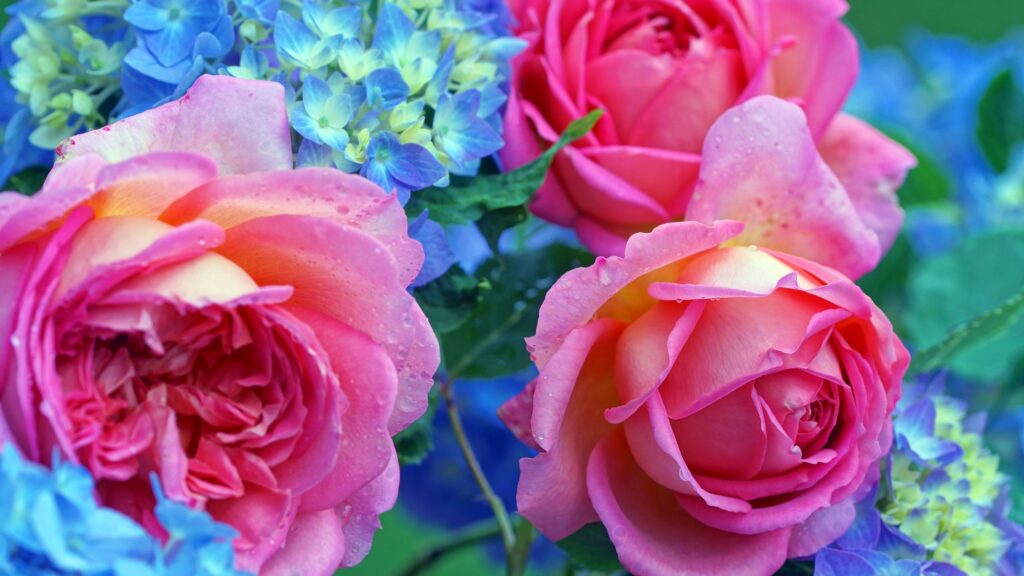
For example, Hydrangea macrophylla has a dense root system and thrives in moisture-rich soil, exactly what roses need. When planted too closely, both plants can struggle.
Why this matters:
Roses need airflow, root space, and steady nutrients. Crowding them can lead to fewer blooms and increased stress.
2. Deep Shade-Loving Plants
Roses require at least 6 hours of direct sunlight daily. Shade-loving plants signal a mismatch in environmental needs.
Avoid pairing roses with:
-Hostas
-Ferns
-Astilbe
For example, Hosta thrives in low-light, moist conditions. If your garden bed is suitable for hostas, it likely doesn’t provide enough sun for roses to flourish.
The mistake:
Designing a bed for shade and trying to force roses into it. If roses aren’t receiving proper sunlight, blooms will diminish dramatically.

- Related article for shade gardens: The Ultimate Guide to Designing a Stunning Shade Garden Layout
3. Invasive or Fast-Spreading Groundcovers
Groundcovers can look romantic around roses, but only if they’re controlled. Avoid aggressive spreaders like:
-Mint
-Bishop’s weed
-Certain running varieties of thyme
Mentha spreads rapidly through underground runners. It may begin as a charming herbal accent, but it can quickly overwhelm the root zone of your roses.
Why this is risky:
Aggressive plants steal nutrients, restrict airflow, and make pruning and fertilizing difficult. Elegance requires space.
Quick Tip: Roses are heavy feeders, so replenish the soil with a high-quality rose fertilizer to ensure they’re not competing for nutrients.

4. Plants That Attract the Same Pests
Companion planting is often used to deter pests but planting species vulnerable to the same problems can increase infestations.
Roses are particularly susceptible to:
-Aphids
-Spider mites
-Japanese beetles
Avoid clustering them near plants frequently attacked by these pests. For example, Japanese beetle are highly attracted to roses and certain fruiting plants. Grouping susceptible plants together can amplify pest pressure.
Strategic gardening tip:
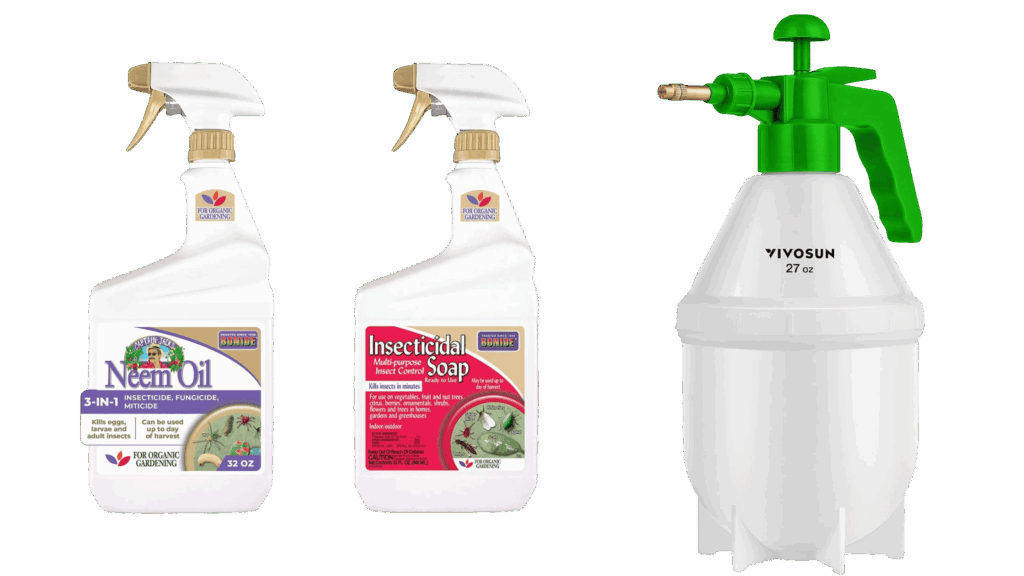
Diversify your planting instead of stacking vulnerability. If pests do appear, try starting with natural treatments like neem oil before moving to stronger solutions.
5. Heavy Water-Loving Plants
Roses like deep, consistent watering, but they do not thrive in constantly soggy soil. Avoid planting them next to:
-Water-loving irises
-Bog plants
-Moisture-dependent tropicals
Overwatering to accommodate a neighboring plant can create fungal issues in roses, including black spot and root rot. Balance is everything.
6. Overcrowding for the Sake of “Fullness”
This may be the most common mistake. In an effort to create that lush, English garden look, it’s tempting to tightly pack flowers around roses. But roses require:
-Air circulation
-Sunlight penetration
-Space for pruning
-Proper disease prevention
Crowding increases humidity around leaves, which can encourage fungal diseases. Even in a romantic garden, restraint creates longevity.
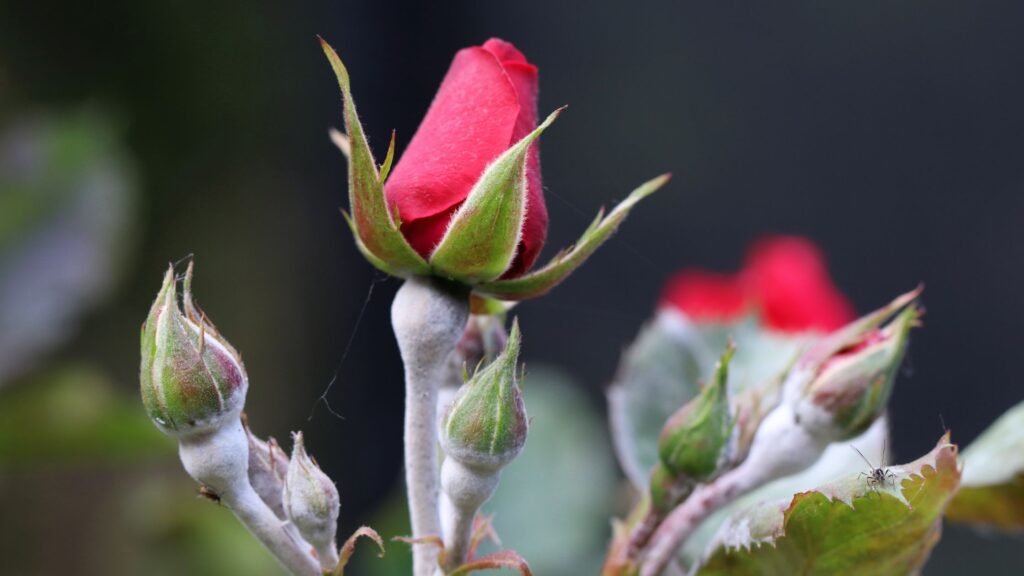
A beautiful rose garden isn’t just about what you plant — it’s about thoughtful placement. Avoiding aggressive competitors, shade mismatches, invasive spreaders, and pest magnets ensures your roses remain the focal point — thriving, blooming, and balanced.
Intentional gardening isn’t about filling every inch of soil. It’s about designing with long-term health in mind. And when roses are given the space and conditions they need, they reward you tenfold.
- If you’re designing your garden intentionally from the ground up, our Ultimate Gardening Guide is a helpful starting point before choosing companion plants.
Disclaimer: As an Amazon Associate, we earn from qualifying purchases. This helps support the blog at no extra cost to you!
Sources
- Royal Horticultural Society – Growing roses guidelines
- Old Farmer’s Almanac – Rose care basics
- University of California Agriculture and Natural Resources – Rose pest management