Most of us assume that staying hydrated is as simple as drinking more water, but that’s only part of the picture. True hydration happens at a cellular level, and without the right balance of minerals and electrolytes, water alone doesn’t always do the job. If you’ve ever felt tired, sluggish, or still somehow “dehydrated” despite drinking enough water, your body may be missing the key elements that help fluids actually absorb and work effectively. The good news is that supporting hydration doesn’t require anything extreme—just a few thoughtful, natural additions that can make a noticeable difference in how you feel day to day.
1. Why Water Alone Isn’t Always Enough
Water is essential but it relies on electrolytes to be properly absorbed and utilized by the body.
Electrolytes like:
- sodium
- potassium
- magnesium
- calcium
help regulate fluid balance, nerve function, and muscle contractions. Without them, water can pass through your system without fully hydrating your cells.
This is why you might still experience:
- fatigue
- headaches
- dry skin
- low energy
even when you’re drinking plenty of water.
2. What Electrolytes Actually Do (And Why They Matter)
Electrolytes are minerals that carry an electrical charge and help your body maintain balance.
They:
- support proper hydration at a cellular level
- help regulate blood pressure and fluid balance
- play a role in energy production and muscle function
When you sweat, travel, drink caffeine, or experience stress, your body loses electrolytes making replenishment even more important.

3. A Natural Approach to Better Hydration
Instead of relying on overly processed sports drinks, a more balanced approach is to pair water with natural sources of minerals.
🌿 Coconut Water
Coconut water is one of the simplest ways to naturally boost hydration.
- Rich in potassium and other electrolytes
- Naturally hydrating and low in calories
- Supports fluid balance after light activity
It’s often referred to as a natural electrolyte drink because it contains key minerals like potassium and magnesium that support hydration and muscle function.
That said, it’s best used as a complement to water, not a replacement—especially since it’s lower in sodium than traditional electrolyte drinks.
- Related article: The Incredible Health Benefits Of Coconut Water
🌿 Clean Electrolyte Additions
Electrolyte powders or drops can be helpful when:
- you’re exercising
- spending time in heat
- traveling or flying
- feeling run down or depleted
Look for options with:
- minimal ingredients
- no added sugars
- balanced minerals (not just sodium)
Electrolytes help the body retain fluids and improve hydration efficiency, especially when you’re losing minerals through sweat or stress.
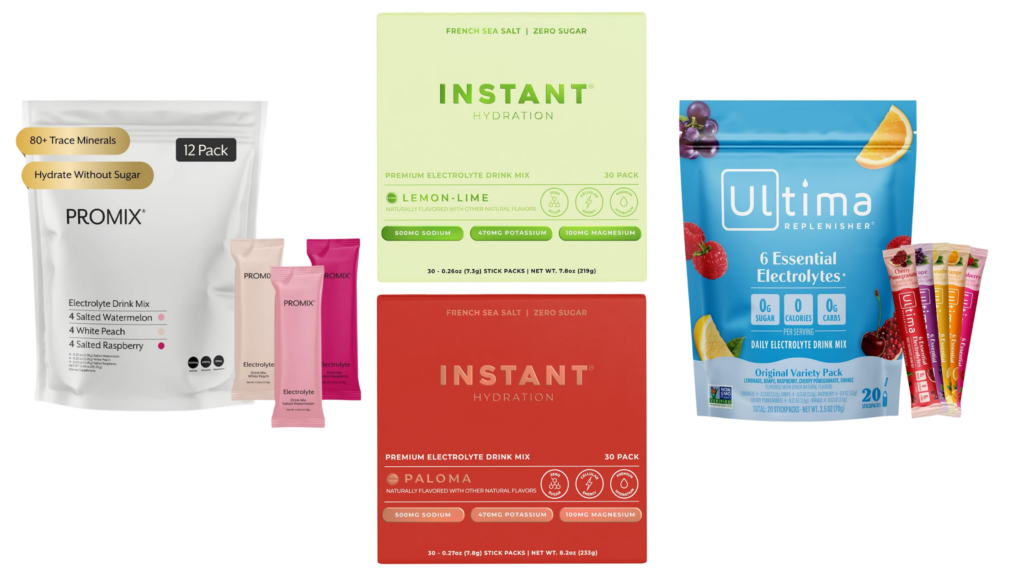
A few thoughtfully formulated options to look for include:
- Promix Hydration Drink Mix — a clean, no-frills option made with simple ingredients and no artificial additives
- Instant Hydration Electrolyte Powder — designed for effective absorption with a streamlined ingredient list
- Ultima Replenisher Electrolyte Powder — a more affordable, everyday option that’s still balanced, gentle, and easy to incorporate regularly
🌿 Mineral-Rich Foods
You can also support hydration through what you eat:
- leafy greens
- fruits like bananas and citrus
- nuts and seeds
- vegetables like cucumber and celery
These foods naturally contain electrolytes and water, helping your body stay balanced throughout the day.
4. Simple Ways to Upgrade Your Water
You don’t need to overhaul your routine—just refine it.
Try:
- starting your day with water + a squeeze of lemon
- rotating in coconut water a few times a week
- adding electrolytes during high-activity days
- focusing on whole foods that support hydration
The goal isn’t to complicate hydration—it’s to make it more effective.
5. What to Avoid
Not all “hydration” is created equal.
Be mindful of:
- sugary sports drinks
- artificial electrolyte mixes
- overdoing supplements without a real need
More isn’t always better, balance is what actually supports your body.
At its core, hydration isn’t just about how much water you drink , it’s about how well your body can use it. By incorporating natural sources of electrolytes and minerals, you create an environment where your body can function more efficiently, feel more energized, and stay better balanced throughout the day. It’s a small shift, but one that tends to ripple into everything from how you feel to how you move through your routine. And often, it’s these quiet, intentional changes that make the biggest difference over time.
Cheers to better water and a healthier you! x
- For more healthy lifestyle hacks, check out our blog: Wireless Headphones Harming Your Health