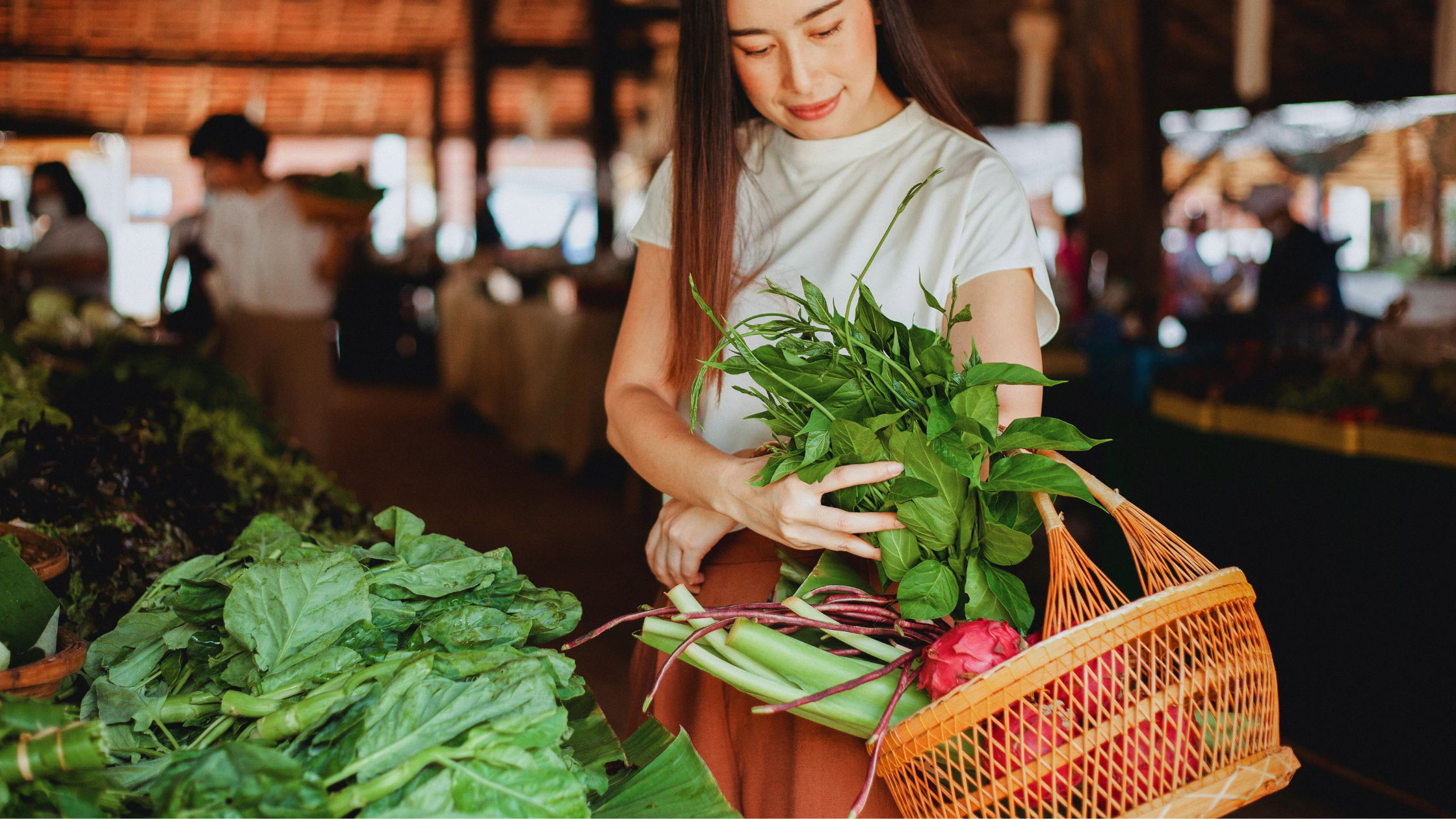
In a world where nearly every food is available year-round, we’ve quietly lost touch with the natural rhythm of eating with the seasons. Strawberries in December, tomatoes in January, squash in the heat of summer, convenience has replaced nature’s design. But just because we can eat everything all the time doesn’t mean we should. Seasonal eating is one of the simplest, most beautiful ways to support your health, your budget, and the environment all at once. It connects you back to what your body actually needs throughout the year, enhances the quality and flavor of your food, and often saves you money in the process.
Let’s explore why seasonal eating matters, and then dive into exactly what to eat each season so you can start right away.
1. Higher Nutrient Density & Better Health
Seasonal produce is harvested at peak ripeness, which means it contains more vitamins, minerals, antioxidants, and enzymes than produce grown out of season and shipped long distances.
When fruits and vegetables are picked early to survive transport, they lose nutritional value over time. Seasonal foods go from farm to table faster , preserving their natural vitality and potency.
Health benefits of seasonal eating include:
- Stronger immune system
- Better digestion
- More stable energy levels
- Improved skin health
- Better hormone balance
- Reduced inflammation
Nature truly provides what your body needs, exactly when it needs it.
2. It’s Easier on Your Budget
One of the most overlooked benefits of seasonal eating is how cost-effective it is. Seasonal produce is abundant, which means:
- Lower prices at grocery stores and farmers markets
- Fewer transport and storage costs
- Better quality for less money
Out-of-season produce is often imported, artificially ripened, and priced higher due to shipping and storage needs. Seasonal eating allows you to eat better and spend less …a rare win-win.
3. Better Flavor & Food Quality
If you’ve ever tasted a sun-ripened summer tomato versus a pale winter one, you already understand this benefit. Seasonal foods are harvested when they’re meant to be eaten , which is when they taste their best. Flavor is a sign of nutrient density. When food tastes better, you’re also getting more nourishment from it. Eating seasonally elevates everything , from your home cooking to your everyday grocery shopping habits.
4. Gentle Detox & Body Support Through the Seasons
Each season naturally offers foods that support the body’s changing needs:
- Spring: Cleansing and liver support
- Summer: Hydration and cooling
- Fall: Immune strengthening and grounding
- Winter: Deep nourishment and mineral replenishment
Without even trying, seasonal eating becomes a gentle, built-in detox and support system for the body throughout the year.
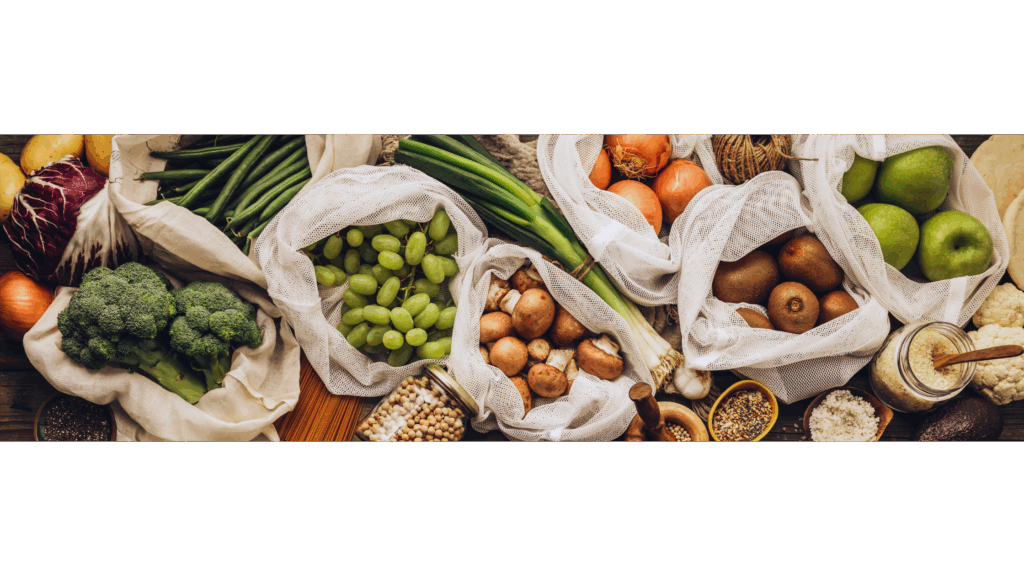
What to Eat Each Season: Your Practical Seasonal Produce Guide
Eating with the seasons doesn’t have to feel complicated. Once you know what typically grows when, shopping and meal planning become simpler, more affordable, and far more nourishing. Here’s a practical seasonal breakdown you can bookmark and return to all year long.
SPRING: Clean, Light & Reawakening Foods
Spring is a season of renewal. After heavier winter meals, the body naturally craves lighter foods that support digestion and liver detox pathways.
Best spring produce includes:
▪︎ Asparagus
▪︎Artichokes
▪︎ Spinach
▪︎Arugula
▪︎ Lettuce
▪︎Peas
▪︎Radishes
▪︎Green onions
▪︎Beets
▪︎Strawberries
▪︎Cherries
▪︎Lemons
Why spring foods are powerful:
These foods are rich in chlorophyll, fiber, and bitter compounds that gently cleanse the body, boost digestion, and activate metabolism after winter.
SUMMER: Hydrating, Cooling & Energizing Foods
Summer foods are designed to cool the body, hydrate the cells, and fuel long, active days.
Best summer produce includes:
▪︎Tomatoes
▪︎Cucumbers
▪︎Zucchini
▪︎Bell peppers
▪︎Eggplant
▪︎Corn
▪︎Green beans
▪︎Blueberries
▪︎Raspberries
▪︎Blackberries
▪︎Peaches
▪︎Watermelon
▪︎Pineapple
▪︎Fresh herbs (basil, mint, cilantro)
Why summer foods are powerful:
These foods are naturally high in water, electrolytes, and antioxidants that support hydration, skin health, and cellular protection during hot weather.
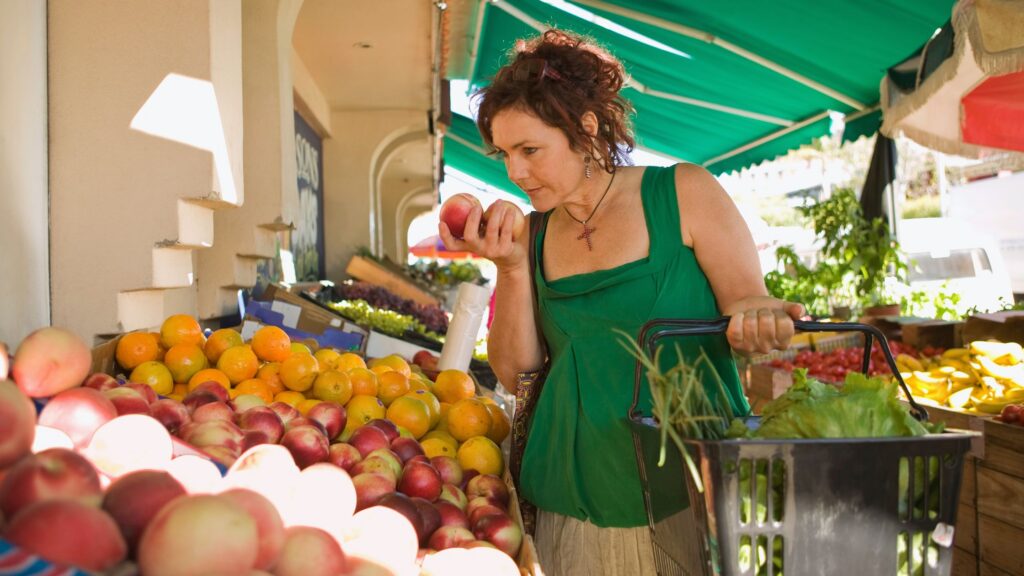
FALL: Grounding, Warming & Immune-Supportive Foods
Fall prepares the body for colder months. It’s a season for grounding foods that build immunity and support digestion.
Best fall produce includes:
▪︎Apples
▪︎Pears
▪︎ Pumpkin
▪︎Butternut squash
▪︎Acorn squash
▪︎Sweet potatoes
▪︎Carrots
▪︎Parsnips
▪︎Beets
▪︎Brussels sprouts
▪︎Cauliflower
▪︎Kale
▪︎Figs
▪︎Grapes
Why fall foods are powerful:
Rich in beta-carotene, fiber, and antioxidants, these foods strengthen immunity, stabilize blood sugar, and prepare the body for winter.
WINTER: Nourishing, Mineral-Rich & Sustaining Foods
Winter calls for deeply nourishing foods that support energy, immunity, and warmth from within.
Best winter produce includes:
▪︎Citrus fruits (oranges, grapefruit, lemons)
▪︎Pomegranates
▪︎Cabbage
▪︎Broccoli
▪︎Cauliflower
▪︎Kale
▪︎Collard greens
▪︎Turnips
▪︎Rutabaga
▪︎Onions
▪︎Garlic
▪︎Potatoes
▪︎Winter squash
Why winter foods are powerful:
These foods are dense in vitamin C, sulfur compounds, trace minerals, and immune-supportive nutrients that help protect the body when sunlight and warmth are limited.
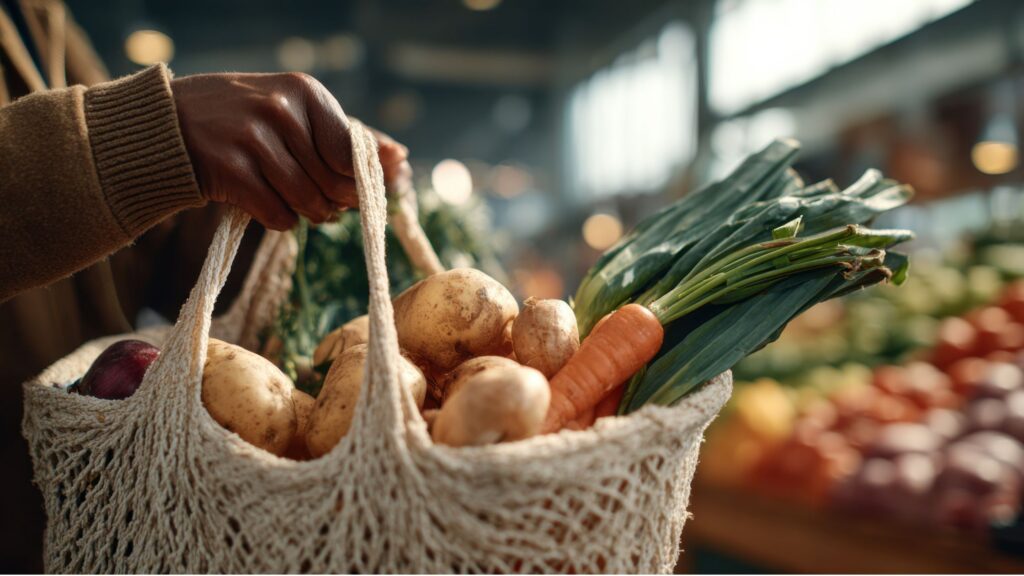
How to Start Eating More Seasonally (Without Overwhelm)
You don’t have to be perfect to see benefits. Start small:
- Choose 2–3 seasonal produce items each grocery trip
- Shop farmers markets when possible
- Build meals around what’s in season
- Freeze extra produce at peak ripeness
- Follow seasonal produce charts for easy reference
- A “CSA box” – produce or other farm goods from a Community Supported Agriculture program which is subscription based.
Even small shifts can make a noticeable difference.
Disclaimer: As an Amazon Associate, we earn from qualifying purchases. This helps support the blog at no extra cost to you!
Seasonal eating is one of the simplest, most accessible ways to improve your health, elevate your meals, save money, and support your local community. Even better if you are able to grow your own!
Sources
- Harvard School of Public Health – Nutrition and Seasonal Eating
- USDA Seasonal Produce Guide
- Environmental Working Group – Food, Farming & Sustainability
- Cleveland Clinic – Benefits of Seasonal Eating


