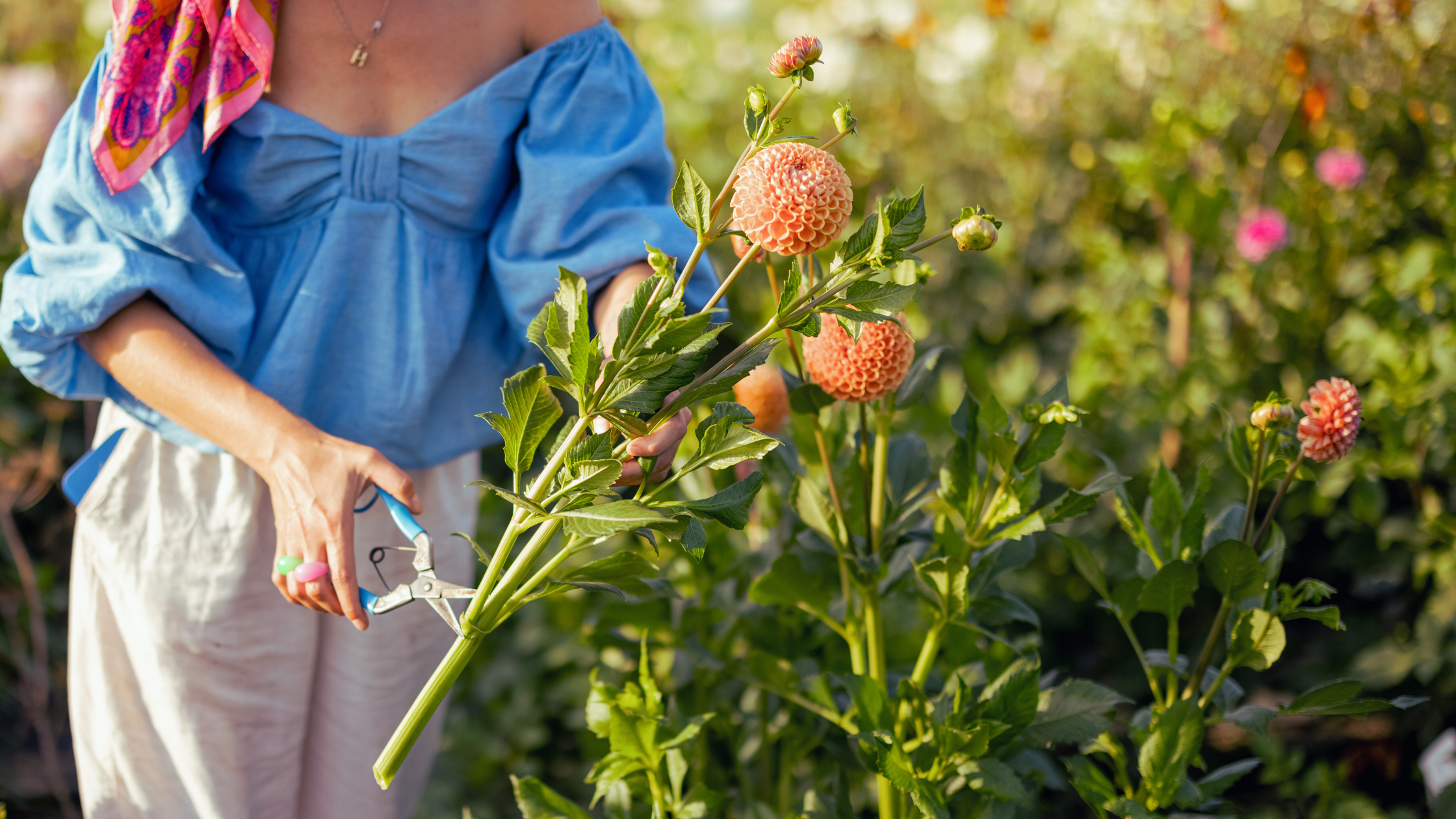
As the temperatures drop and your greenery moves indoors, it’s the perfect time to give your houseplants a little seasonal refresh — especially your statement trees like the olive tree and fiddle leaf fig. These plants not only elevate your space with their sculptural beauty, but when pruned correctly, they’ll reward you with lush, balanced growth all year long.
Learning how and when to prune indoor olive and fiddle leaf fig trees is the key to keeping them healthy through fall and winter – preventing legginess, managing their size, and encouraging vibrant new leaves come spring.
1. Why Pruning Matters
Pruning helps your indoor trees maintain shape, remove dead or damaged growth, and redirect energy to strong, healthy branches. For olive and fiddle leaf fig trees in particular, pruning also prevents them from becoming too top-heavy or sparse especially after adjusting to lower indoor light levels.
2. When to Prune Olive Trees Indoors
Olive trees are naturally slow growers, but pruning in the late fall (after moving them indoors) or early spring (before new growth starts) helps keep them compact and thriving.
Tip: Avoid heavy pruning in mid-winter as their growth slows down, and large cuts can take longer to heal. Instead, lightly trim any yellowing leaves or crossing branches to keep airflow open.
Shop Product Favorites:
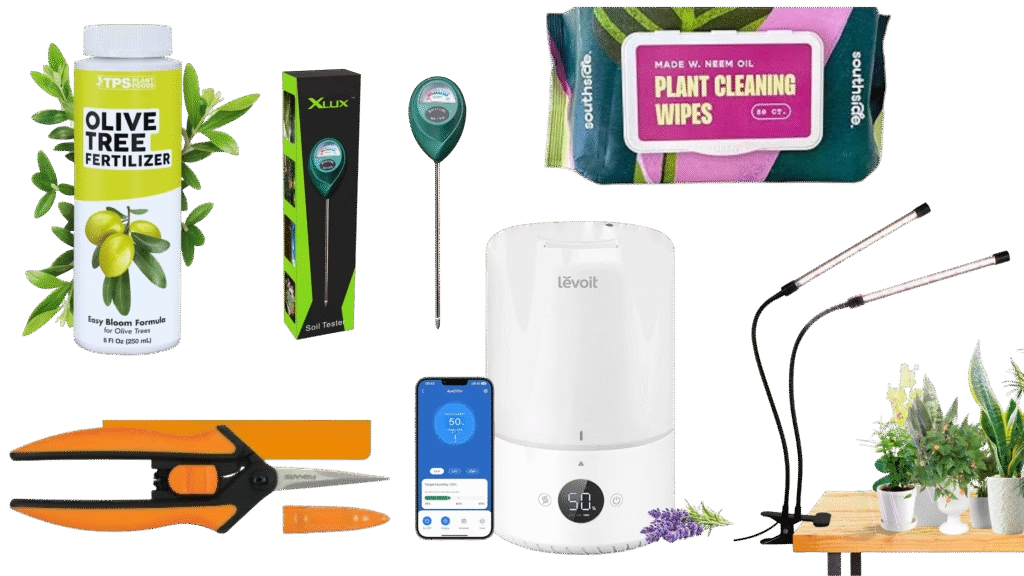
- ✂️ Fiskars Micro-Tip Pruning Snips – perfect for precision cuts.
- 🌿 Organic Olive Tree Fertilizer – helps recovery and root health after pruning.
3. When to Prune Fiddle Leaf Fig Trees Indoors
Fiddle figs respond beautifully to strategic pruning, especially when they’ve become leggy or uneven. The best time to prune is early spring through summer but you can do a light shaping prune in late fall right after bringing them in, to remove any damaged or oversized leaves.
To encourage branching, cut just above a node (the bump where a leaf was attached). This signals the plant to sprout new growth from that point thus creating that full, tree-like canopy everyone loves.
Shop Amazon Best Seller:
- 🌱 Moisture Meter by XLUX – helps you monitor soil moisture while recovering from pruning.
4. How to Prune Properly
1.Start clean: Always use sanitized shears to avoid spreading bacteria or pests.
2.Step back: Assess the shape before cutting — imagine the silhouette you want to maintain.
3.Trim gradually: Remove no more than 10–20% of foliage at a time.
4. Cut at an angle: This encourages healing and prevents water from pooling.
5. Finish with care: Water lightly, wipe leaves, and keep plants away from direct drafts or heaters.
5. Post-Prune Care Tips
After pruning, your plants will need a little TLC:
–Wipe leaves with a damp cloth or plant wipes to remove dust.
–Add humidity with a pebble tray or humidifier.
–Rotate regularly so all sides get light.
–Feed sparingly during winter — every 6–8 weeks with a diluted organic fertilizer.
Shop Product Favorites:
- 💨 Levoit Smart Humidifier – boosts humidity for indoor plants during heating season.
- 🌤️ Grow Light by GE – ideal for olive and fiddle figs during short winter days.
- 🪴Plant Cleaning Wipes by Southside Plants – Shiny Leaves and Better Photosynthesis
6. A Note on Repotting
If you notice roots creeping out of the pot after pruning, it might be time to size up. However, hold off repotting until spring, when growth is most active — this gives your plants time to adjust and recover naturally.
- For a little more detail head over to: Prepare Your Potted Plants To Move Indoors for Winter
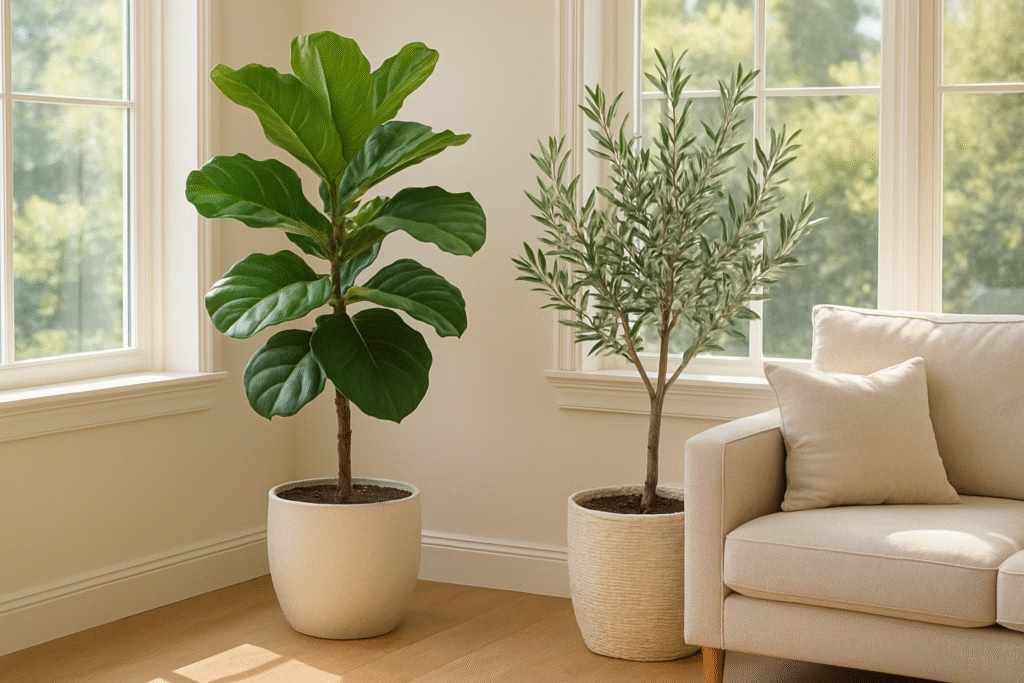
Caring for your indoor olive and fiddle leaf fig trees through pruning is part art, part science — and a great way to reconnect with your plants before winter fully sets in. With the right timing, gentle trimming, and mindful care, you’ll help them stay strong, balanced, and beautiful all year round.
So grab your shears, take a slow sip of tea, and give your indoor garden the attention it deserves x
Disclaimer: As an Amazon Associate, we earn from qualifying purchases. This helps support the blog at no extra cost to you!