As the last of autumn’s golden leaves flutter to the ground and the air takes on that crisp, quiet edge of early winter, it’s time for one final ritual in the garden : the November prune. While much of your yard may be settling into dormancy, this is the perfect window to give your perennials a little attention before the first deep freeze sets in. Pruning in November isn’t about aesthetics; it’s about long-term health. Cutting back the right plants now helps prevent disease, deters overwintering pests, and encourages vigorous growth come spring. It also tidies up beds so that when new life bursts forth in April, your garden looks refreshed rather than chaotic.
Not every perennial should be pruned before winter, some, like coneflowers and ornamental grasses, actually benefit from being left standing through the cold months. But there are several that thrive when trimmed back in November. Below are nine common perennials that will thank you later for a well-timed haircut before winter arrives.
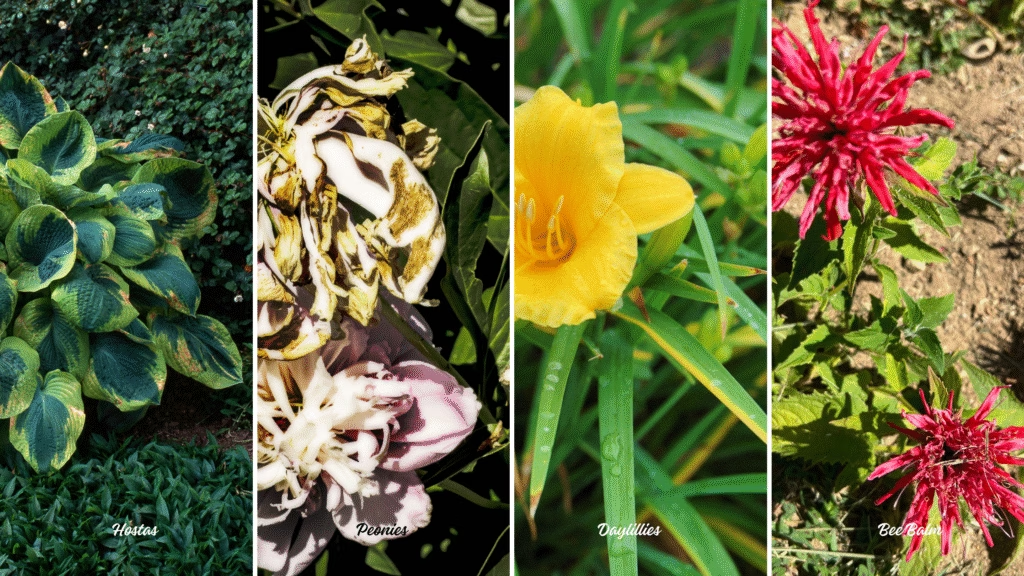
1. Hostas
When hosta leaves begin to yellow and collapse, that’s your cue to cut them down to a few inches above the soil. Removing this dying foliage prevents slugs and snails from laying eggs in the decaying leaves, ensuring fewer pests next year.
Tip: Use clean, sharp pruning shears and discard old leaves instead of composting them if you’ve seen any sign of slug damage.
2. Peonies
Peonies are prone to fungal issues like botrytis, which can overwinter in old stems and infect new growth. Once frost has blackened the foliage, cut the stems right down to the ground.
Extra care: Clean your pruning tools with rubbing alcohol before and after to avoid spreading disease.
Recommended tool: A pair of high-quality bypass pruning shears keeps cuts clean and precise.
3. Daylilies (Hemerocallis)
After blooming ends and leaves turn brown, trim daylilies back to about 4–6 inches. This helps prevent crown rot and keeps garden beds tidy.
Pro tip: If your daylilies are getting crowded, now is also a good time to divide them before the soil fully freezes. Here is a great tool to help with that: Radius Garden 23311 Root Slayer Perennial Shovel
4. Bee Balm (Monarda)
Bee balm’s fragrant blooms are loved by pollinators — but its foliage can harbor powdery mildew if left over winter. Cut back spent stems to the ground and clear away any infected leaves.
Product pick: Apply an organic copper fungicide after pruning to stop mildew spores from persisting into spring.
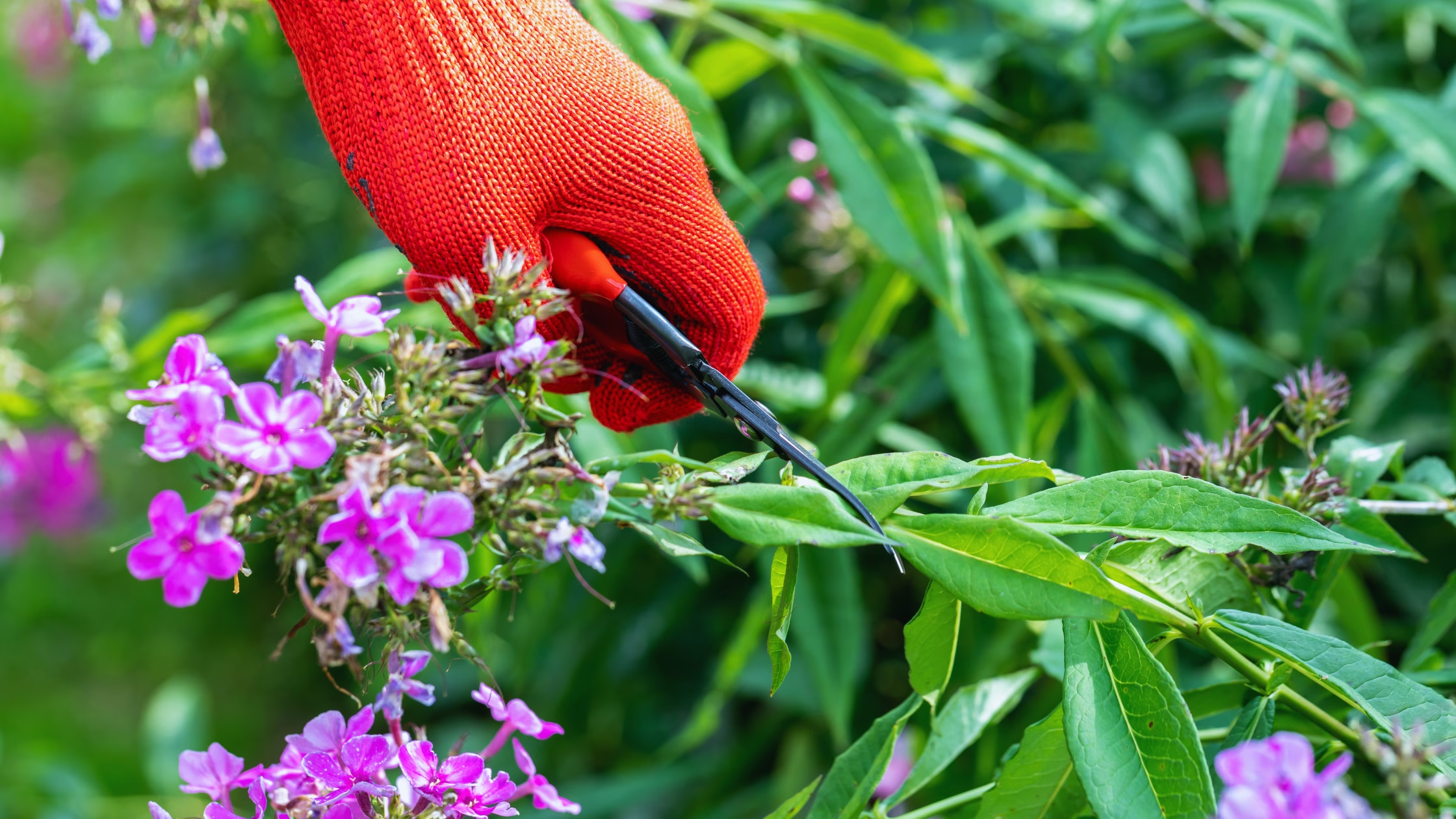
5. Phlox
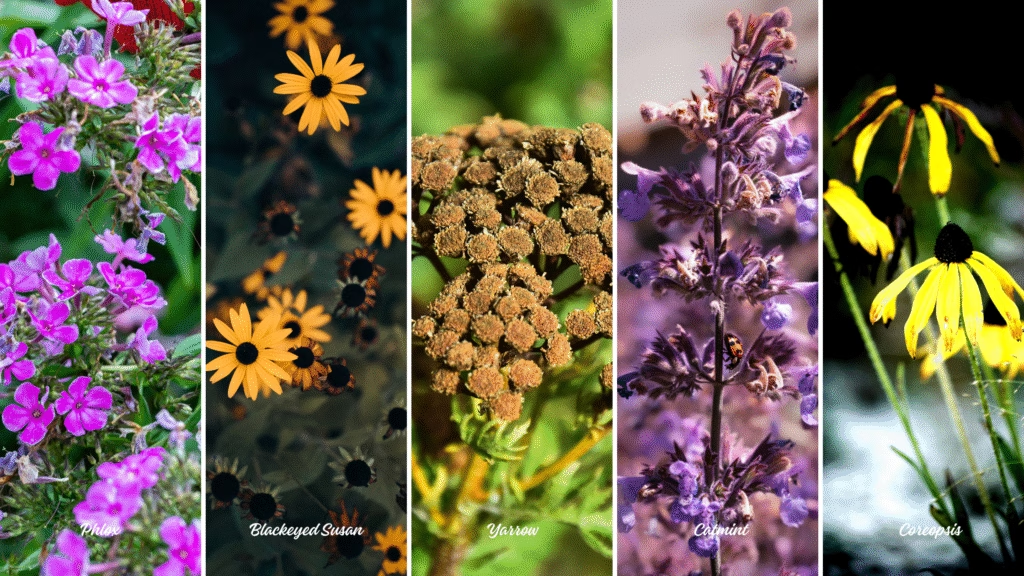
Similar to bee balm, phlox is another mildew magnet. As soon as frost hits and leaves die back, cut stems to a few inches above the soil. Removing diseased material now will give you healthier, more abundant blooms later.
6. Black-Eyed Susans (Rudbeckia)
Rudbeckias can easily self-seed if left untrimmed. While you can leave a few seed heads for the birds, cut the rest down to a few inches to prevent an overcrowded garden next year.
Pro tip: Use compostable garden waste bags for easy cleanup and an eco-friendly approach to disposal.
7. Yarrow (Achillea)
Once the flower heads dry and stems fade, trim yarrow to about 2 inches above ground level. This encourages compact, healthy growth next spring and prevents the plant from becoming leggy.
8. Catmint (Nepeta)
After frost, cut catmint back to just a few inches tall. This keeps it tidy and stimulates bushier growth once warmer weather returns.
Bonus tip: Divide older catmint clumps every 2–3 years to rejuvenate the plant and maintain strong flowering.
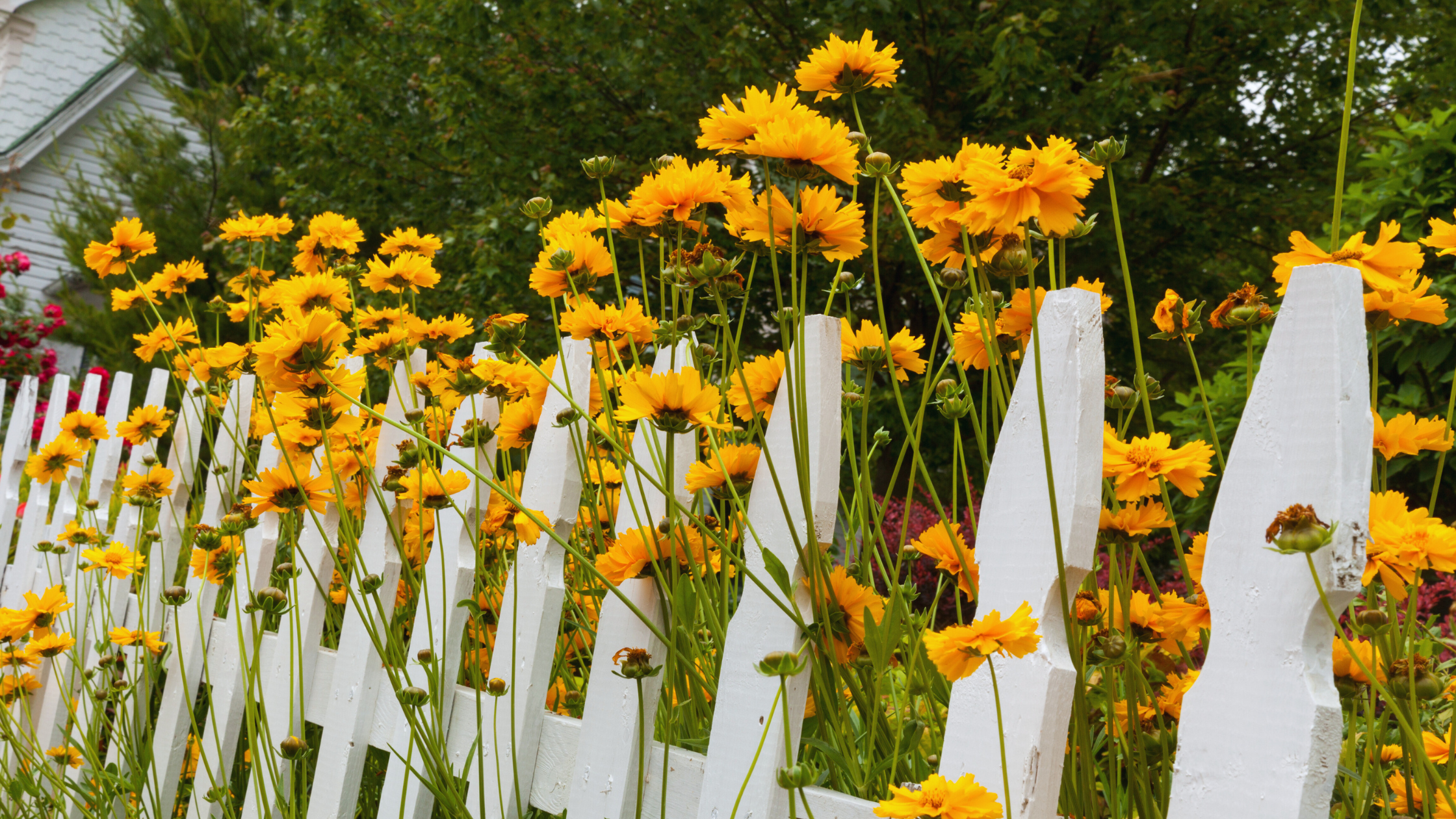
9. Coreopsis
Coreopsis is a resilient perennial, but its old foliage can quickly turn mushy after frost. Cutting it back to the base prevents rot and keeps diseases from taking hold over winter.
A Few You Should Not Cut Back
While pruning can be beneficial, it’s equally important to know which plants should be left alone until spring. Ornamental grasses, coneflowers, sedum, and astilbe all provide winter interest and food or shelter for birds and pollinators. Let them stand — they’ll look beautiful dusted with frost and can be pruned once new shoots appear in spring.
November pruning is like tucking your garden in for a long winter’s nap. With a few mindful cuts and a bit of cleanup, you’ll set the stage for stronger, healthier plants come spring. By tackling this task before the first hard freeze, you’re not only preventing disease and pests but also investing in the beauty and longevity of your garden.
So grab your shears, slip on your gloves, and spend an hour or two outside this weekend — your springtime self (and your garden) will thank you.
- For more November gardening tips definitely check out our blog: November Gardening Checklist: Mid-Atlantic Edition