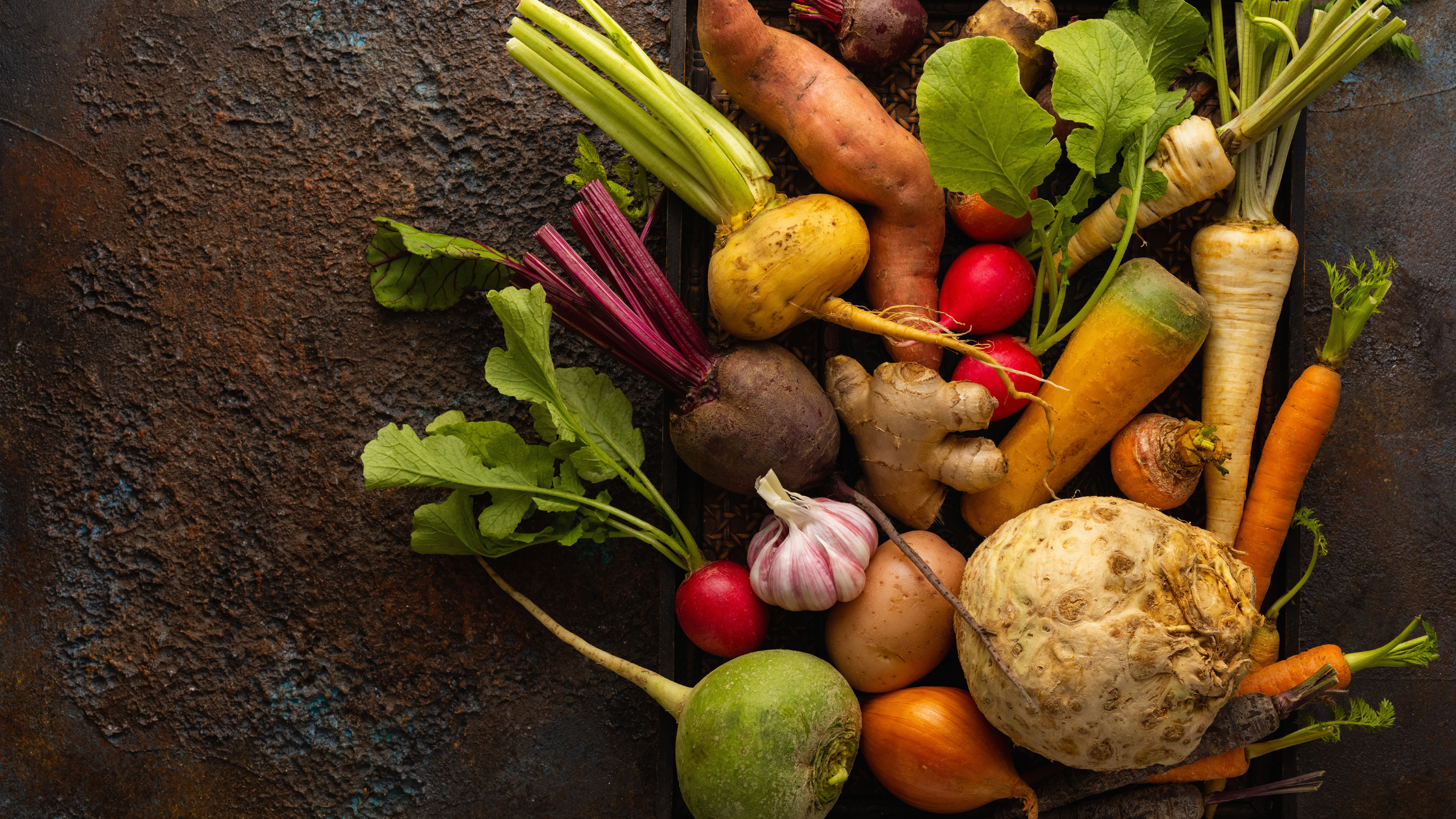
When winter rolls in, our bodies naturally shift. We crave warmth, comfort, and nourishment that feels grounding and sustaining. This is not chance, it’s biology. Seasonal eating in winter is about aligning your diet with what the earth provides during colder months, supporting immunity, digestion, energy, and even your budget. Eating with the seasons reconnects you to nature’s rhythm while delivering deeper nutrition and better flavor.
In this guide, we’re diving into what winter seasonal eating looks like, the specific benefits it delivers to your body, and exactly which foods thrive during the winter months.
1. What Is Winter Seasonal Eating?
Winter seasonal eating means choosing foods that naturally grow, store well, or thrive in colder temperatures. These foods are typically heartier, richer in minerals, and deeply nourishing—exactly what your body needs when temperatures drop and sunlight decreases.
Instead of light fruits and raw vegetables that dominate summer, winter foods focus on:
-Root vegetables
-Storage crops
-Dark leafy greens
-Warming spices
-Healthy fats
-Quality proteins
These foods help stabilize blood sugar, warm the body, and strengthen immunity when we need it most.
2. The Core Benefits of Winter Seasonal Eating
Eating seasonally in winter is one of the most powerful (and gentle) ways to support your health naturally.
▪︎Stronger Immunity
Winter crops are rich in vitamin C, zinc, beta-carotene, and antioxidants—nutrients your immune system relies on to fight seasonal illness.
▪︎Better Digestion & Metabolism
Cooked root vegetables, soups, and warm meals are far easier to digest than raw foods in cold months, helping reduce bloating and sluggishness.
▪︎Budget-Friendly Grocery Shopping
Winter produce is more affordable because it’s in season or stored locally. This means fewer imported foods with inflated price tags.
▪︎Higher Quality & Better Flavor
Seasonal produce is harvested at peak ripeness, making it richer in flavor and nutrition compared to produce shipped long distances out of season.
▪︎Improved Mood & Energy
Mineral-rich winter foods support adrenal health, stabilize blood sugar, and combat the fatigue and low mood common during darker months.
3. What Winter Seasonal Eating Looks Like Day-to-Day
Winter meals tend to feel:
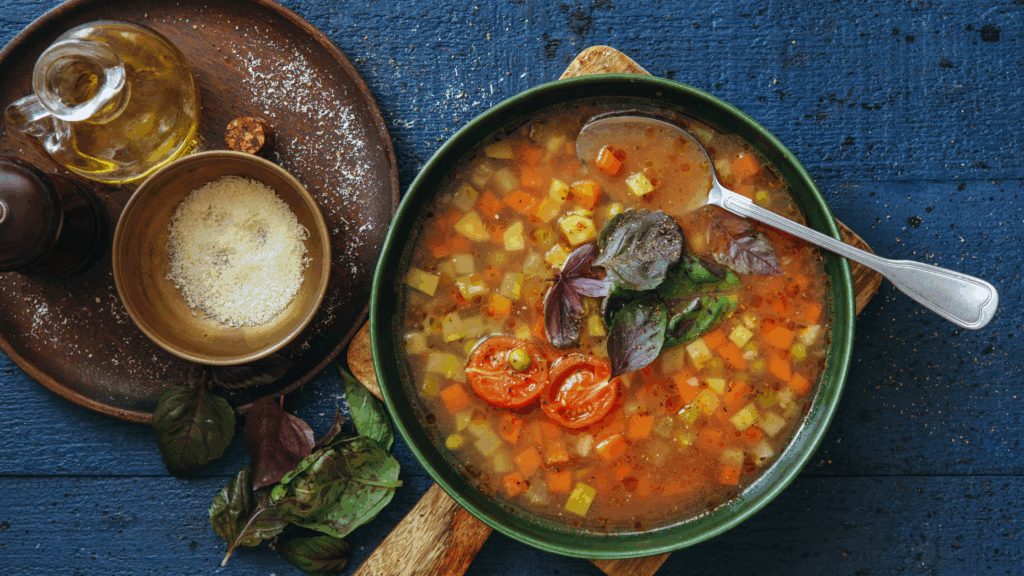
Warm, Grounding, Comforting, Nourishing to name a few. Think slow-simmered soups, roasted vegetables, braised greens, warming spices, bone broths, and hearty salads made with cooked ingredients rather than entirely raw bases.
This way of eating naturally slows you down, supports hormone balance, and encourages mindful nourishment—exactly what winter is designed for energetically.
4. Winter Seasonal Produce Guide
Here’s what’s thriving during the winter months and why your body loves it:
▪︎Root Vegetables (Deep Nourishment & Minerals)
-Carrots
-Beets
-Sweet potatoes
-Turnips
-Parsnips
-Rutabaga
These stabilize blood sugar, support the liver, and keep you feeling full and warm.
▪︎Winter Greens (Iron, Chlorophyll & Detox Support)
-Kale
-Collard greens
-Swiss chard
-Mustard greens
-Spinach
These support circulation, oxygenation, and natural detox pathways even during colder months.
▪︎Alliums (Immune Protection)
-Garlic
-Onions
-Leeks
-Shallots
Naturally antimicrobial and anti-inflammatory—ideal for winter sick season.
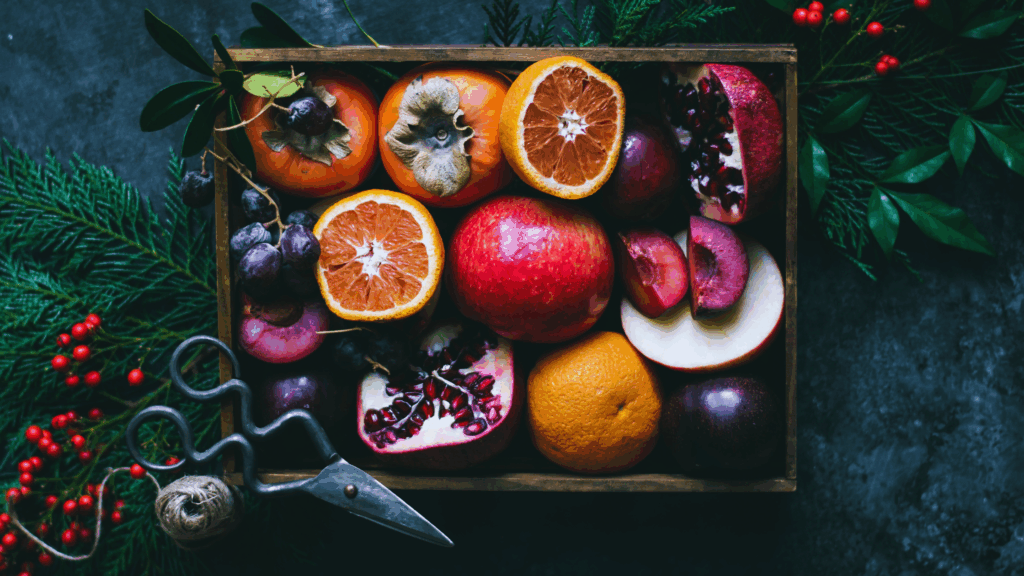
▪︎Winter Fruits (Stored & Citrus)
-Oranges
-Grapefruit
-Clementines
-Pomegranates
-Apples
-Pears
Citrus provides bright vitamin C while stored fruits offer fiber and gentle energy.
▪︎Winter Staples & Additions
-Squash varieties
-Cabbage
-Mushrooms
-Cranberries
-Nuts & seeds
These bring variety, fiber, healthy fats, and powerful antioxidants.
5. How Winter Seasonal Eating Supports Your Body Systems
Seasonal winter foods directly nurture:
–Immune System – zinc, vitamin A, vitamin C
–Digestive System – soluble fiber, warming foods
–Hormone Balance – stable blood sugar, healthy fats
–Detox Pathways – liver-supporting greens and roots
–Nervous System – magnesium-rich foods, grounding meals
This is why so many traditional cultures relied on soups, broths, slow-cooked roots, and fermented foods during winter—it’s biologically intelligent nourishment.
6. How to Transition into Winter Seasonal Eating
You don’t need to overhaul your entire kitchen overnight. Start with simple shifts:
-Swap raw salads for roasted vegetable bowls
-Add soups or stews 2–3 times per week
-Replace tropical fruits with citrus and apples
-Use warming spices like cinnamon, ginger, turmeric, and cloves
-Prioritize cooked breakfasts over cold smoothies
These small changes make a profound difference in how your body feels during winter.
7. Seasonal Eating & Your Wallet
One of the most overlooked benefits of seasonal eating is how significantly it lowers grocery bills. When food is produced locally and naturally abundant, prices drop. You’ll also waste less food because seasonal produce stays fresher longer and tastes better—meaning you actually use what you buy.
Winter seasonal eating encourages fewer impulse purchases, fewer ultra-processed foods, and more intentional grocery shopping.
Winter teaches us to slow down, warm up, and nourish deeply. Seasonal eating isn’t restrictive—it’s intuitive. It honors your body’s natural rhythms, strengthens your immune system, improves digestion, boosts energy, and supports long-term wellness without extremes or trends. By choosing foods that were designed for winter, you’re not just eating with the season, you’re living in harmony with it. And when spring arrives, your body will be healthier, stronger, and more prepared for the shift ahead.
Sources
USDA Seasonal Produce Guide
Harvard T.H. Chan School of Public Health – Seasonal Produce & Nutrition
Cleveland Clinic – Benefits of Seasonal Eating
National Institutes of Health (NIH) – Micronutrients & Immune Function