A daily walk is one of the greatest joys for our furry companions, but even the most routine stroll can come with unexpected risks. From sharp foxtails to sudden bee stings, every dog owner should know how to spot and handle potential hazards during walks. This guide outlines the most common dangers on dog walks and offers practical solutions—plus essential tools and an emergency kit you won’t want to leave home without. We hope you’ll never have to use these tips or tools, but in the event that you do, you’ll be so grateful you were prepared. It could even be lifesaving.
1. Foxtails
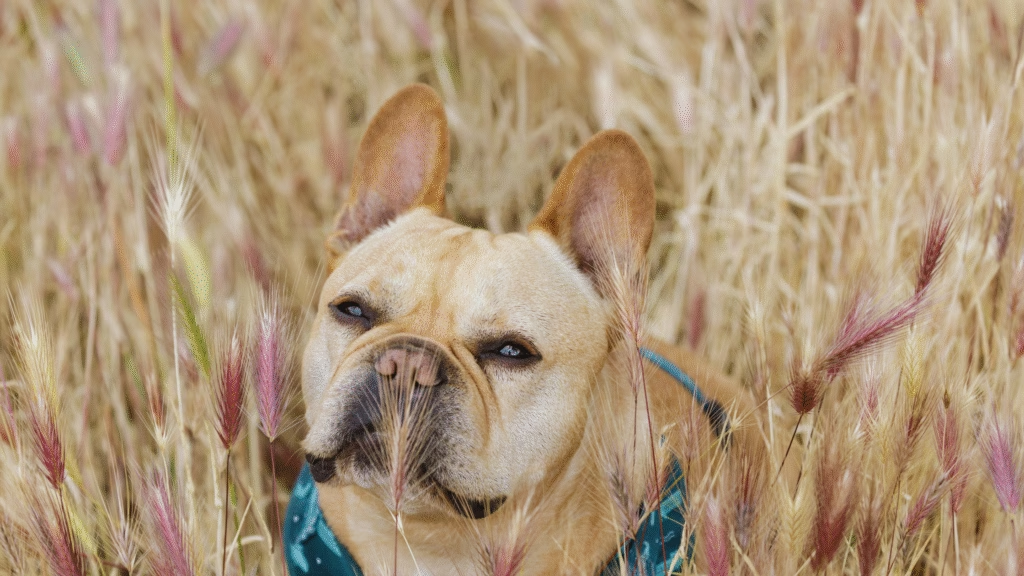
Foxtails are barbed grass seeds that can burrow into your dog’s skin, ears, paws, and even eyes or nose. These plants are most common in dry, grassy areas, especially during late spring through fall. They look like wheat-like tufts or grassy seed heads.
Why They’re Dangerous:
-If a dog sniffs foxtails, the barbed seed can travel into the nasal passages, causing severe pain and infection—often requiring surgery. They can also migrate through the body and lead to life-threatening complications.
Signs to Watch For:
-Limping, excessive licking, sneezing, shaking head, swelling, or sudden discomfort after a walk.
What to Do:
Avoid areas with tall, dry grass and foxtail-heavy vegetation whenever possible. If you suspect your dog has encountered one, especially in the nose or ears, seek veterinary care immediately.
🌾 What Foxtail Grass Looks Like
Foxtail grass gets its name from the way its seed head resembles the fluffy tail of a fox. It’s most recognizable in late spring through summer when it goes to seed.
Here’s what to look for:
- Tall, slender grass blades – typically green to light brown
- Bristly seed heads – look like little bottlebrushes or wheat spikes
- Color – usually golden yellow, tan, or light green as they mature
- Texture – the seed head is made of sharp, barbed bristles that can detach easily
Once dry, these barbed seeds become dangerous — especially for pets. They can latch onto fur, burrow into skin, or enter noses, ears, and paws, potentially leading to serious infections.
🚫 Where It Commonly Grows:
- Along sidewalks and roadsides
- In vacant lots or fields
- Near fences or sunny, dry areas
- Often in poor or disturbed soil
- Product suggestion: Protective mesh masks for dogs can help prevent foxtail injuries – recommended if walking in areas with high likelihood of foxtails.
2. Overheating and Hot Pavement
Dogs can overheat quickly, especially on sunny days or during intense activity.
Signs of Overheating:
-Panting, drooling, weakness, vomiting.
What to Do:
-If symptoms worsen or don’t improve quickly, seek emergency vet care.
-Move your dog to a shaded or cooler area immediately.
-Avoid letting your dog drink large amounts of water too quickly—allow them to sip slowly.
-Pouring water over their back won’t effectively cool them down. Instead, apply cool (not ice-cold) water to their chest, paws, armpits, and groin area where blood vessels are closer to the surface.
-Offer water gradually while monitoring their breathing and behavior.
Product Suggestions:
- Portable dog water bottle
- Cooling vest for dogs
- Related article: 5 Important Dog Care Tips for a Happy, Healthy Pet
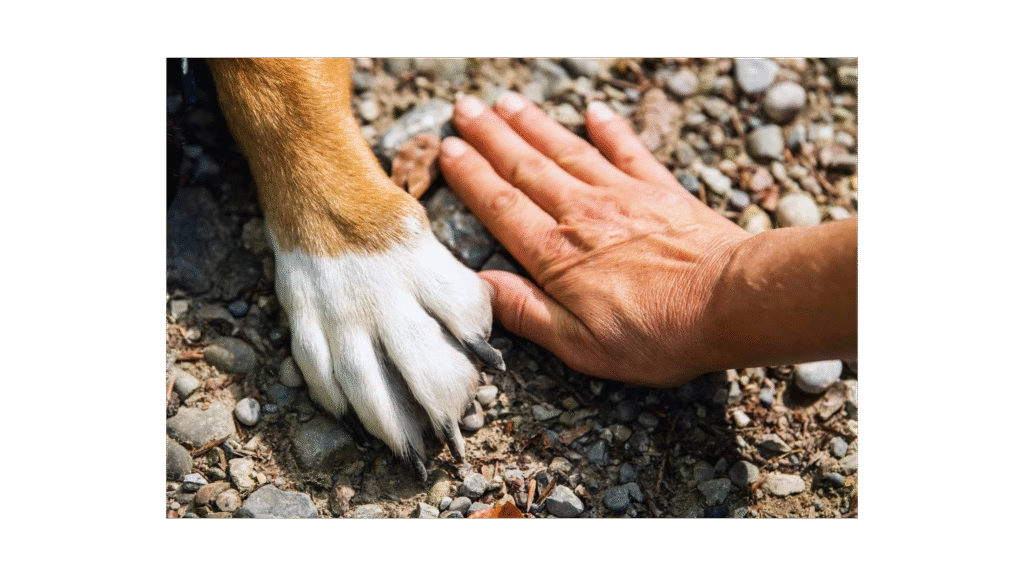
Hot Pavement Tip: Test pavement heat with the back of your hand for 5 seconds. If it’s too hot for you, it’s too hot for their paws.
3. Bee Stings and Insect Bites
Dogs can be curious, and bees or wasps might strike back. Especially be on the lookout during spring and summer months.
Signs:
-Sudden yelping, swelling (especially around the face or paws), hives, excessive licking, or difficulty breathing in severe allergic reactions.
What to Do:
– Apply a cold compress to reduce swelling.
-Monitor your dog for signs of a more serious allergic reaction, such as difficulty breathing or vomiting.
–Carry vet-approved Benadryl with you on every walk. It can be a lifesaver in the event of a severe reaction—but always consult your vet for the correct dosage based on your dog’s weight before administering it.
-If symptoms worsen or if your dog is stung near the throat or mouth, seek emergency veterinary care immediately.
Product Suggestions:
4. Unleashed or Aggressive Dogs
Encountering an unleashed or aggressive dog can escalate quickly.
What to Do:
-Stay calm, avoid eye contact, and use a barrier like your body or an umbrella.
- Product recommendation: Air horn for dogs, stop attacks or emergencies.
5. Sharp Objects (Glass, Thorns, Metal)
Urban and rural walks alike can hide sharp dangers in the grass or sidewalk.
What to Do:
-Always inspect paws after walks. If there’s a puncture, clean with pet-safe antiseptic and monitor for swelling.
- Amazon Best-Seller: Dog first aid paw balm
6. Toxic Plants and Mushrooms
Some common plants or wild mushrooms can be toxic to dogs.
What to Do:
-If your dog ingests a plant or mushroom, try to identify it and contact your vet or animal poison control immediately.
- Plant ID app subscription can be a handy tool.
- Related article: Watch Out For These 3 Poisonous Plants
7. Ticks and Fleas
Wooded trails, parks, and even neighborhood lawns can be full of these pests.
What to Do:
-Use preventative treatments and check your dog after every walk.
Amazon Favorites:
- Tick remover tool for pets – great for easy removal
- Natural flea & tick repellant spray – with Natural Essential Oils
- Tick Removal Glove for Humans & Pets – Safely Remove Ticks Effortlessly, Chemical-Free, Durable, Portable– an absolute must if you walk your dog on trails
8. Slippery Surfaces or Ice in Winter
In colder months, black ice or salted roads can pose risks to you and your pet.
What to Do:
-Use paw balm and consider winter dog boots.
- Product recommendation: Non-slip winter booties
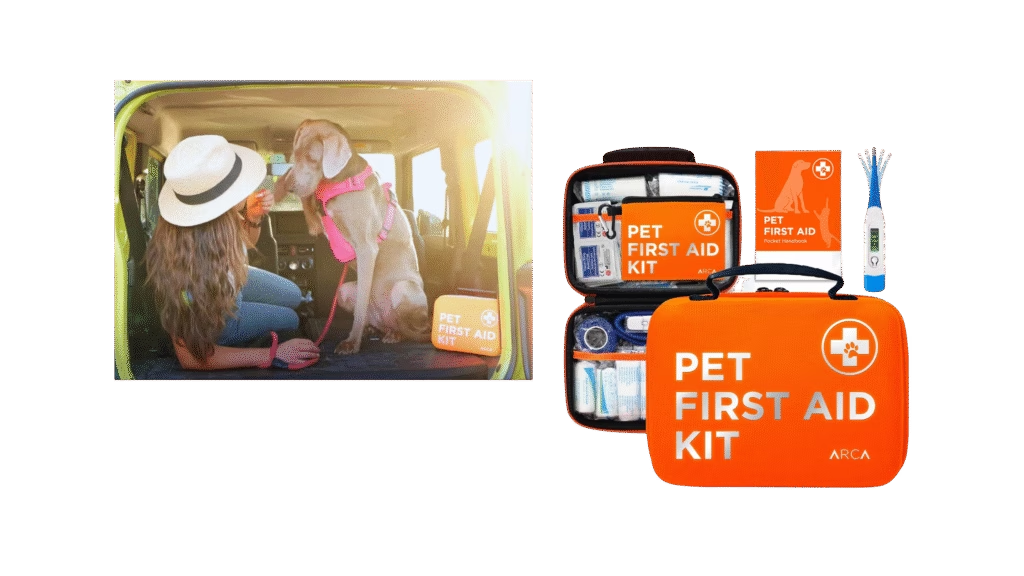
• Dog Walking Emergency Kit (Highly Recommended)•
Every dog owner should carry an emergency kit on longer walks or hikes. It is also a good idea to consolidate parts of this kit for your shorter neighborhood walks.
Kit includes:
- Tweezers
- Paw balm
- Antiseptic wipes
- Benadryl (vet-approved dose)
- Collapsible bowl
- Sting relief wipes
- Emergency vet contacts
Best-Selling kit: Complete dog walking first aid kit
Dog walks should be joyful—not stressful. With a bit of preparation and the right tools on hand, you can confidently navigate whatever comes your way. Remember to stay alert, watch the ground, and trust your instincts. Our pups rely on us for protection, and knowing how to handle potential dangers is one of the best ways to keep them happy, healthy, and safe.
Walk smart and stay safe out there!