When the temperatures drop, there’s nothing quite like a warm bowl of homemade soup. It’s comforting, easy to prepare and a wonderful way to incorporate a variety of nourishing ingredients into everyday meals. But soup can also be an excellent opportunity to increase your protein intake. While many traditional vegetable and broth-based soups are relatively low in protein, others contain naturally protein-rich ingredients such as lentils, split peas, beans, chicken, turkey and seafood. These ingredients can turn a simple bowl of soup into a more substantial and satisfying meal.
The good news is that you don’t need protein powders, supplements or complicated ingredients to make a protein-rich soup. Many of the best options rely on everyday whole foods that are easy to find at your local grocery store. Whether you prefer a hearty lentil soup, a classic chicken soup or something plant-based, here are nine naturally high protein soups worth adding to your meal rotation this season.
What Makes a Soup High in Protein?
The protein content of soup largely depends on the ingredients used and how much of each ingredient goes into an individual serving.
Some of the best natural sources of protein for homemade soups include:
●Legumes: Lentils, split peas, chickpeas and beans provide plant-based protein alongside dietary fiber.
●Poultry: Chicken and turkey are excellent sources of lean, complete protein.
●Meat: Lean beef and pork can contribute substantial amounts of protein to hearty soups.
●Seafood: Fish, shrimp and shellfish provide protein along with other important nutrients.
●Eggs: An easy and versatile ingredient that adds protein to lighter soups.
It’s also worth remembering that broth alone generally contributes relatively little protein. Even when a soup is made with chicken or beef broth, the actual meat, beans or other protein-rich ingredients will make the biggest difference to the nutritional value of the finished dish. Interestingly, cooking vegetables can actually make certain nutrients more available to the body. Find out which vegetables are more nutritious cooked than raw.
9 High Protein Soups to Make This Season
1. Split Pea Soup
Split pea soup is one of the best naturally protein-rich vegetarian soups to include in your weekly meal rotation. Made from dried green or yellow split peas, this traditional soup develops a thick, hearty consistency as the peas cook and soften. Split peas are particularly nutritious, providing plant-based protein, dietary fiber, iron and folate. One cup of cooked split peas contains approximately 16 grams of protein, making them an excellent ingredient for a filling homemade soup.
Ingredients (6 servings)
- 1 lb dried green or yellow split peas, rinsed
- 8 cups low-sodium chicken or vegetable broth
- 8 oz diced cooked ham (optional)
- 2 medium carrots, peeled and diced
- 2 celery stalks, diced
- 1 medium yellow onion, diced
- 2 cloves garlic, minced
- 1 bay leaf
- 1 tsp dried thyme
- 1 tbsp olive oil
- Black pepper to taste
Preparation:
- Heat the olive oil in a large soup pot over medium heat. Add the onion, carrots and celery and cook for approximately 5 minutes until softened.
- Add the garlic and thyme and cook for another 30 seconds.
- Stir in the rinsed split peas, broth and bay leaf.
- Bring the mixture to a boil, then reduce the heat and cover partially. Simmer for approximately 60–75 minutes, stirring occasionally, until the peas are soft and beginning to break down.
- If using ham, stir it into the soup during the final 15 minutes of cooking.
- Remove the bay leaf, season with black pepper and adjust the consistency with additional broth if needed.
Protein per serving: Approximately 19–27 g, depending on whether ham is included.
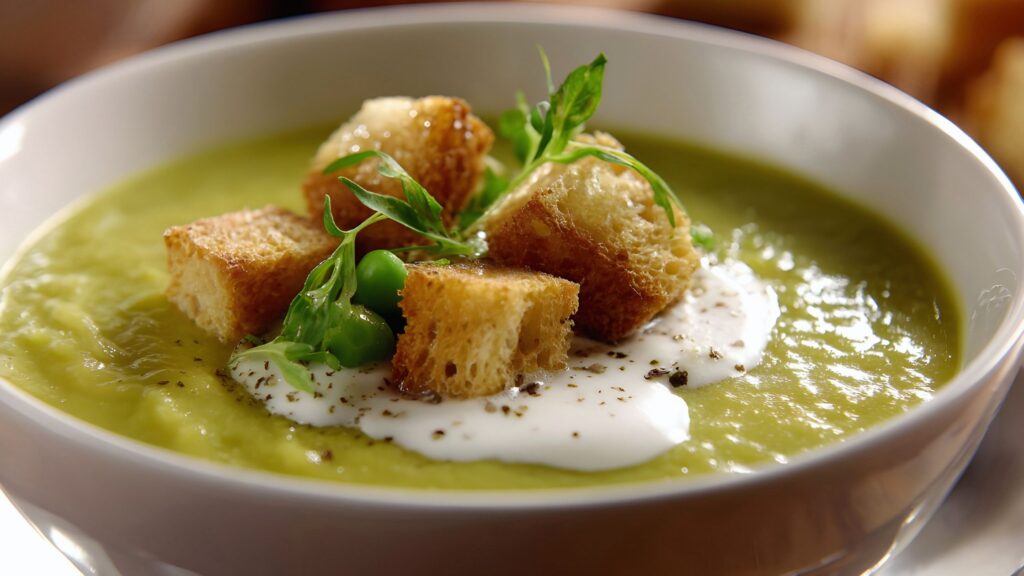
- Tip: For a completely plant-based version, use vegetable broth and omit the ham. The split peas provide a substantial amount of protein on their own.
2. Lentil Soup
Lentil soup is another excellent choice for anyone looking to incorporate more plant-based protein into their diet. Lentils are naturally rich in protein and fiber, making them one of the most versatile ingredients for hearty homemade soups. They also cook relatively quickly compared with many dried beans and don’t require soaking beforehand. One cup of cooked lentils provides approximately 18 grams of protein.
Ingredients (6 servings)
- 1½ cups dried brown or green lentils, rinsed
- 8 cups vegetable broth
- 1 can (14.5 oz) diced tomatoes
- 2 medium carrots, peeled and diced
- 2 celery stalks, diced
- 1 medium yellow onion, diced
- 3 cloves garlic, minced
- 2 cups fresh baby spinach
- 1 tsp ground cumin
- ½ tsp ground turmeric
- 1 tsp smoked paprika
- 1 tbsp olive oil
- Juice of ½ lemon
- Salt and black pepper to taste
Preparation
- Heat the olive oil in a large pot over medium heat. Add the onion, carrots and celery and cook for approximately 5 minutes.
- Stir in the garlic, cumin, turmeric and smoked paprika and cook for another minute.
- Add the lentils, diced tomatoes and vegetable broth. Stir to combine.
- Bring to a boil, then reduce the heat and simmer uncovered for approximately 30–40 minutes, until the lentils are tender.
- Stir in the baby spinach and allow it to wilt for 2–3 minutes.
- Finish with fresh lemon juice and season with salt and black pepper.
Protein per serving: Approximately 14–16 g.
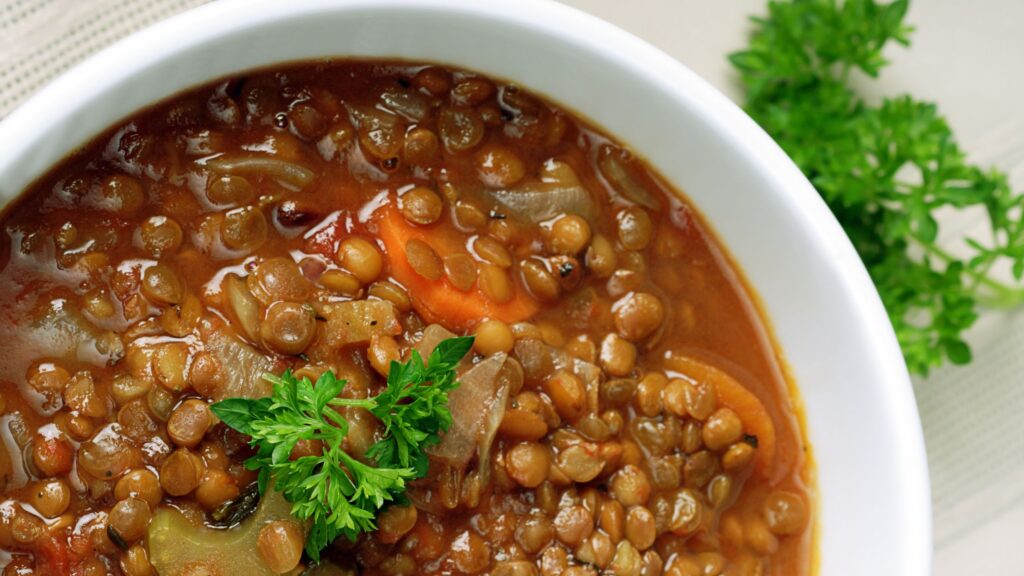
- Tip: For a thicker consistency, blend one or two cups of the finished soup and stir it back into the pot. You can also add a little extra cooked lentils if you’d like to increase the protein content.
3. Chicken & White Bean Soup
A bowl of Chicken and white bean soup is a particularly good combination when you’re looking for a meal that provides protein from both animal and plant sources. Chicken breast is naturally rich in complete protein, while cannellini or Great Northern beans contribute additional protein, fiber and minerals. Together, these ingredients create a hearty soup that can be both nourishing and satisfying without requiring cream or heavy sauces.
Ingredients (6 servings)
- 1 lb boneless, skinless chicken breast
- 2 cans (15 oz each) cannellini beans, drained and rinsed
- 8 cups low-sodium chicken broth
- 2 medium carrots, peeled and diced
- 2 celery stalks, diced
- 1 medium yellow onion, diced
- 3 cloves garlic, minced
- 2 cups fresh baby spinach or chopped kale
- 1 tsp dried rosemary
- 1 tsp dried thyme
- 1 tbsp olive oil
- Juice of ½ lemon
- Salt and black pepper to taste
Preparation
- Heat the olive oil in a large pot over medium heat. Add the onion, carrots and celery and cook for approximately 5 minutes.
- Add the garlic, rosemary and thyme and cook for another 30 seconds.
- Place the chicken breasts into the pot and add the chicken broth. Bring to a gentle boil, then reduce the heat and simmer for approximately 15–20 minutes, or until the chicken reaches an internal temperature of 165°F.
- Remove the chicken and set aside to cool slightly before shredding with two forks.
- Add the drained cannellini beans to the pot and simmer for another 5 minutes.
- Return the shredded chicken to the soup and stir in the spinach or kale. Cook until the greens have wilted.
- Finish with lemon juice, salt and black pepper.
Protein per serving: Approximately 25–28 g.
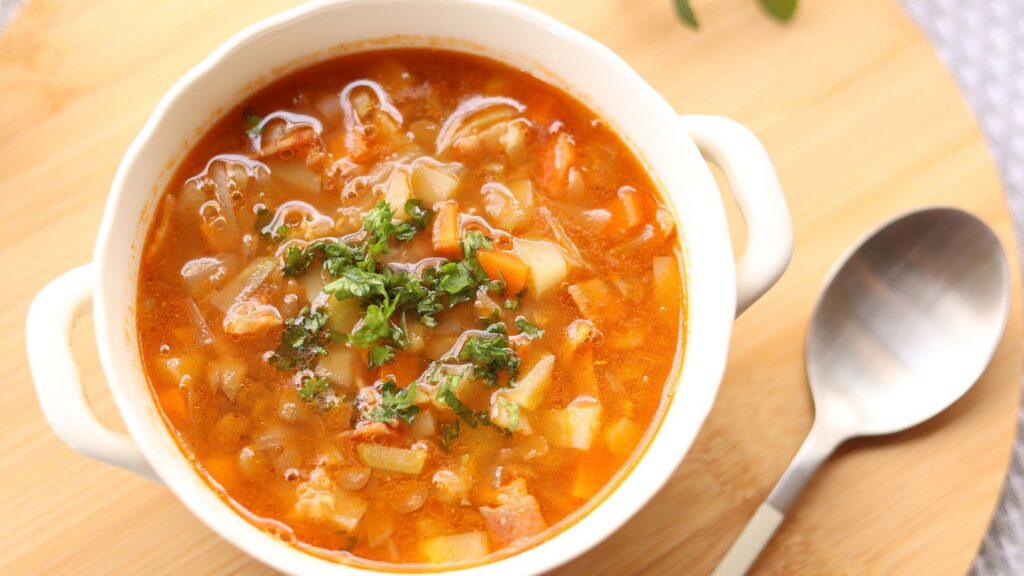
- Tip: For a creamier soup without adding heavy cream, mash a portion of the cannellini beans before stirring them into the broth.
4. Turkey and Bean Soup
Ground turkey is a versatile, relatively lean source of protein that works particularly well in hearty, tomato-based soups. When combined with beans, vegetables and a flavorful broth, it creates a filling meal that is easy to prepare in larger batches. This is also a great option for anyone who enjoys the flavors of chili but prefers something with a little more broth.
Ingredients (6 servings)
- 1 lb lean ground turkey (93% lean)
- 2 cans (15 oz each) black beans or kidney beans, drained and rinsed
- 1 can (14.5 oz) crushed or diced tomatoes
- 5 cups low-sodium chicken broth
- 1 medium yellow onion, diced
- 1 red bell pepper, diced
- 2 cloves garlic, minced
- 1 cup corn kernels
- 1 tsp ground cumin
- 1 tsp smoked paprika
- 1 tsp chili powder
- ½ tsp dried oregano
- 1 tbsp olive oil
- Salt and black pepper to taste
Preparation
- Heat the olive oil in a large soup pot over medium heat. Add the ground turkey and cook for approximately 6–8 minutes, breaking it apart with a wooden spoon until fully cooked.
- Add the onion and red bell pepper and cook for another 4–5 minutes.
- Stir in the garlic, cumin, smoked paprika, chili powder and oregano.
- Add the tomatoes, broth, beans and corn. Stir everything together.
- Bring the soup to a gentle boil, then reduce the heat and simmer uncovered for approximately 20–25 minutes.
- Season with salt and black pepper before serving.
Protein per serving: Approximately 23–26 g.
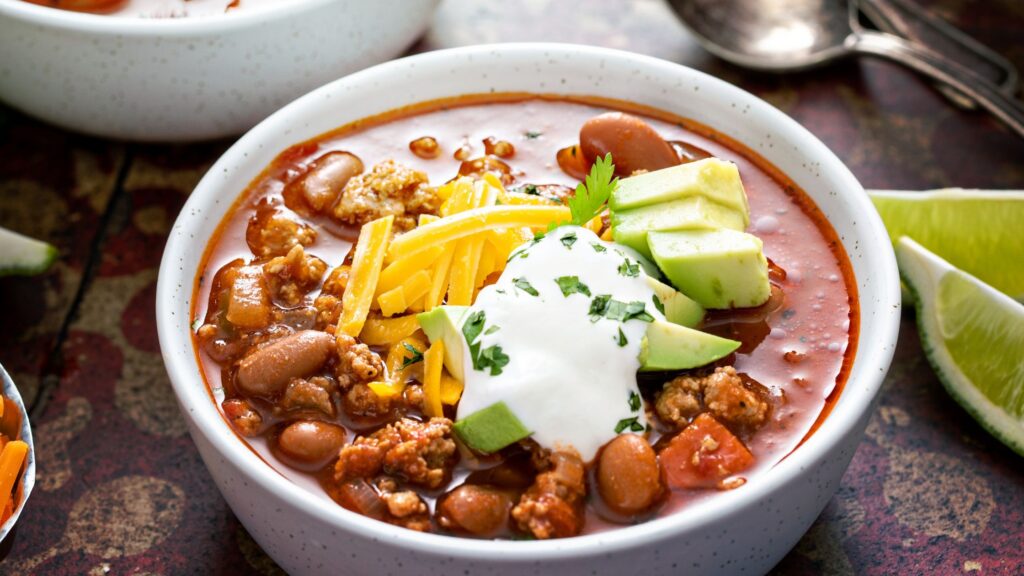
- Tip: Serve with fresh cilantro, avocado or a squeeze of lime juice. You can also adjust the amount of chili powder to suit your preferred level of spice.
5. Black Bean Soup
Hearty Black bean soup is one of the simplest ways to make a satisfying, plant-based meal with naturally occurring protein. Black beans are an excellent source of plant protein and dietary fiber. They also contain iron, magnesium and folate. Their naturally creamy texture makes them particularly well suited to soups, especially when some of the beans are blended to thicken the broth.
Ingredients (6 servings)
- 3 cans (15 oz each) black beans, drained and rinsed
- 5 cups vegetable broth
- 1 can (14.5 oz) diced tomatoes
- 1 medium yellow onion, diced
- 1 red bell pepper, diced
- 2 cloves garlic, minced
- 1 tsp ground cumin
- 1 tsp smoked paprika
- ½ tsp chili powder
- 1 tbsp olive oil
- Juice of 1 lime
- Salt and black pepper to taste
Preparation
- Heat the olive oil in a large pot over medium heat. Add the onion and red bell pepper and cook for approximately 5 minutes.
- Add the garlic, cumin, smoked paprika and chili powder. Cook for another 30 seconds.
- Stir in the black beans, diced tomatoes and vegetable broth.
- Bring to a boil, then reduce the heat and simmer for approximately 20 minutes.
- Remove around two cups of the soup and blend until smooth. Return the blended mixture to the pot and stir well.
- Add the lime juice and season with salt and black pepper.
Protein per serving: Approximately 13–15 g.
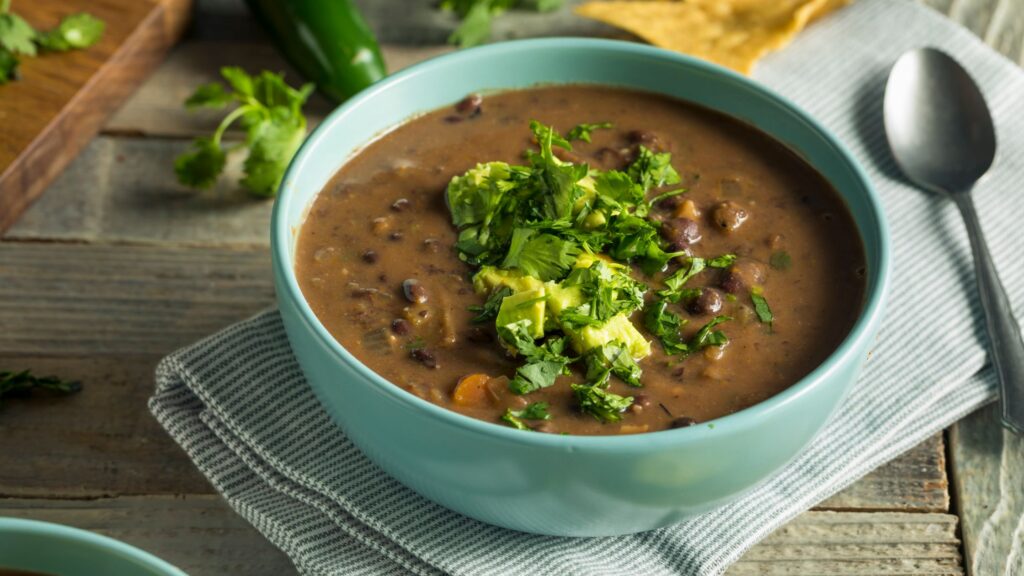
- Tip: For additional protein, add edamame or serve the soup with a side of grilled chicken. Fresh cilantro and avocado also make lovely toppings.
6. Beef and Barley Soup
Beef and barley soup is a classic cold-weather meal that combines protein-rich beef with hearty grains and vegetables. Lean beef provides complete protein, iron, zinc and vitamin B12. Barley contributes dietary fiber, particularly beta-glucan, a type of soluble fiber associated with heart health. Although barley is not particularly high in protein compared with meat or legumes, it adds texture and makes this soup especially satisfying.
Ingredients (6 servings)
- 1 lb lean beef stew meat, cut into bite-sized pieces
- 1 cup pearl barley, rinsed
- 8 cups low-sodium beef broth
- 2 medium carrots, peeled and diced
- 2 celery stalks, diced
- 1 medium yellow onion, diced
- 2 cloves garlic, minced
- 8 oz sliced mushrooms
- 1 bay leaf
- 1 tsp dried thyme
- 1 tbsp olive oil
- Salt and black pepper to taste
Preparation
- Heat the olive oil in a large soup pot over medium-high heat. Add the beef in batches and brown on all sides. Avoid overcrowding the pot.
- Remove the beef and set aside. Add the onion, carrots, celery and mushrooms to the same pot and cook for approximately 5 minutes.
- Add the garlic and thyme and cook for another 30 seconds.
- Return the beef to the pot and add the beef broth and bay leaf.
- Bring to a boil, then reduce the heat, cover and simmer for approximately 60 minutes, or until the beef is beginning to become tender.
- Stir in the rinsed barley and continue simmering for another 30–40 minutes, until the barley is tender and the beef is fully cooked and soft.
- Remove the bay leaf and season with salt and black pepper.
Protein per serving: Approximately 19–22 g.
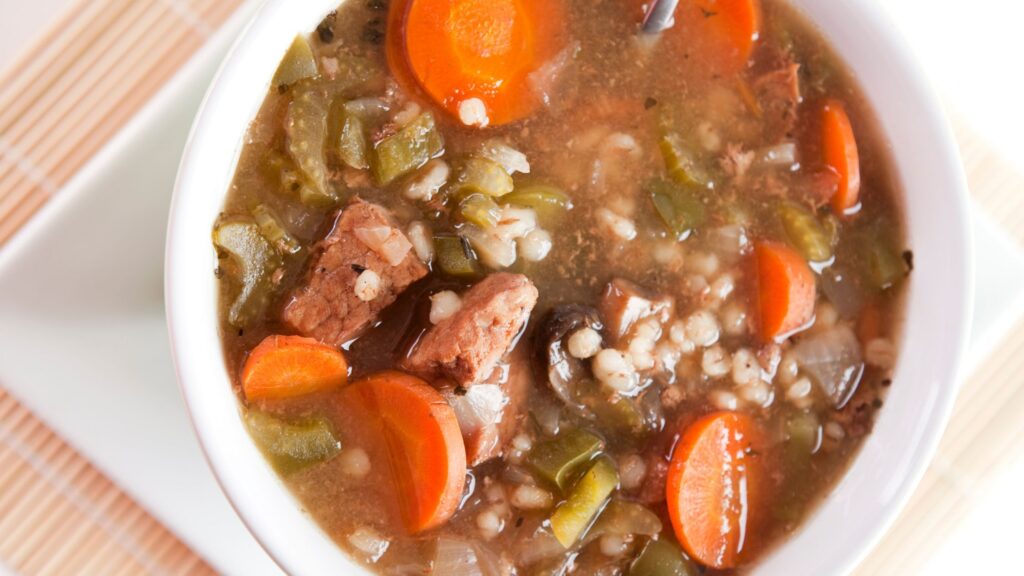
- Tip: Pearl barley absorbs a considerable amount of liquid as it cooks. If the soup becomes too thick, simply add additional broth before serving.
7. White Bean and Kale Soup
For a lighter, plant-based option, white bean and kale soup is a wonderful addition to a winter meal rotation. Cannellini beans are naturally rich in protein and fiber, while kale provides vitamins A, C and K, along with other beneficial plant compounds. This is a particularly good example of how a simple combination of vegetables and legumes can create a substantial meal without relying on meat.
Ingredients (6 servings)
- 3 cans (15 oz each) cannellini beans, drained and rinsed
- 7 cups vegetable broth
- 1 medium yellow onion, diced
- 2 medium carrots, peeled and diced
- 2 celery stalks, diced
- 3 cloves garlic, minced
- 3 cups chopped fresh kale, stems removed
- 1 tsp dried rosemary
- ½ tsp dried thyme
- 1 tbsp olive oil
- Juice of ½ lemon
- Salt and black pepper to taste
Preparation
- Heat the olive oil in a large pot over medium heat. Add the onion, carrots and celery and cook for approximately 5 minutes until softened.
- Add the garlic, rosemary and thyme and cook for another 30 seconds.
- Stir in the cannellini beans and vegetable broth.
- Bring to a gentle boil, then reduce the heat and simmer for approximately 15–20 minutes.
- Remove around two cups of the soup and blend until smooth. Return the blended mixture to the pot.
- Add the chopped kale and cook for another 5 minutes until tender.
- Finish with lemon juice and season with salt and black pepper.
Protein per serving: Approximately 13–15 g.
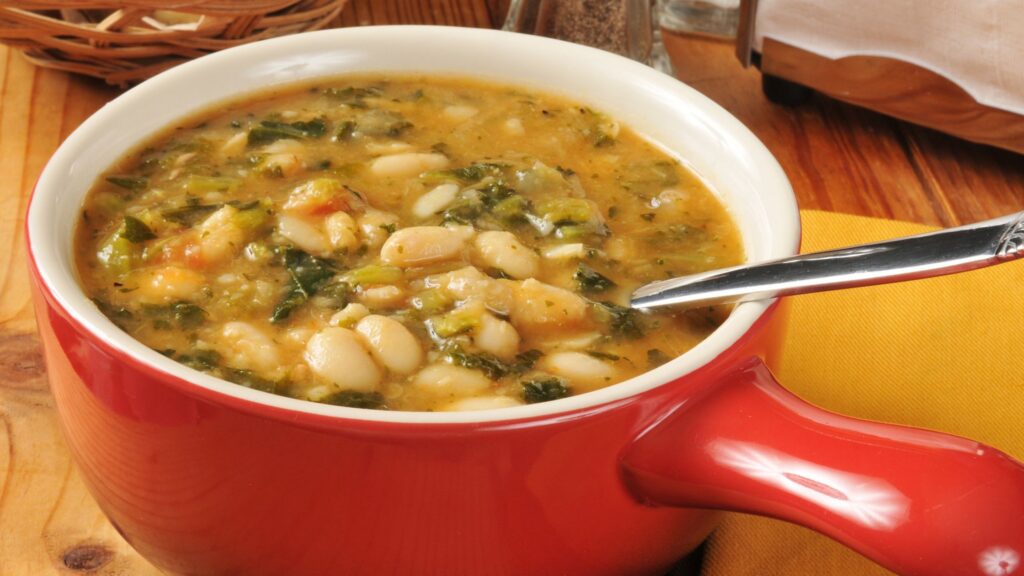
- Tip: For additional protein, stir in cooked lentils or edamame. A little freshly grated Parmesan can also add flavor and some additional protein.
8. Seafood Chowder
Seafood chowder can be another excellent source of protein, particularly when it contains a generous amount of fish and shellfish. Clams, shrimp, cod and other seafood provide high-quality protein. Depending on the ingredients, seafood also supplies nutrients such as iodine, selenium, vitamin B12 and omega-3 fatty acids. The important thing to remember is that the seafood itself contributes most of the protein, rather than the creamy base.
Ingredients (6 servings)
- 12 oz cod fillets, cut into bite-sized pieces
- 2 cans (6.5 oz each) chopped clams, drained, reserving the liquid
- 4 cups low-sodium seafood or fish stock
- 2 cups whole milk
- 2 medium potatoes, peeled and diced
- 1 medium yellow onion, diced
- 2 celery stalks, diced
- 2 cloves garlic, minced
- 2 tbsp butter
- 1 tbsp all-purpose flour
- 1 tsp dried thyme
- 1 bay leaf
- Salt and black pepper to taste
- 2 tbsp fresh parsley, chopped
Preparation
- Melt the butter in a large pot over medium heat. Add the onion and celery and cook for approximately 5 minutes until softened.
- Add the garlic and thyme and cook for another 30 seconds.
- Stir in the flour and cook for approximately one minute, stirring continuously.
- Gradually pour in the seafood stock and reserved clam liquid, stirring to prevent lumps from forming.
- Add the diced potatoes and bay leaf. Bring to a gentle boil, then reduce the heat and simmer for approximately 12–15 minutes, until the potatoes are almost tender.
- Stir in the milk, chopped clams and cod. Simmer gently for another 5–7 minutes, until the fish is cooked through and flakes easily. Avoid boiling the soup once the milk has been added.
- Remove the bay leaf and season with salt and black pepper. Finish with fresh parsley.
Protein per serving: Approximately 17–21 g.
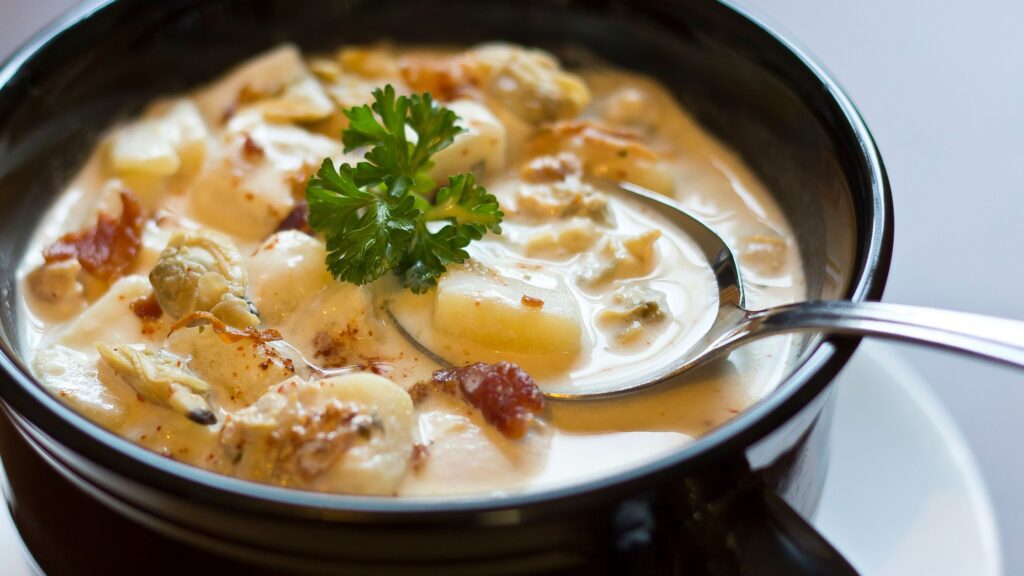
- Tip: You can substitute some of the cod with shrimp for a different seafood combination. Just make sure the seafood is fully cooked before serving.
9. Chicken Noodle Soup
Chicken noodle soup is a familiar favorite for a reason. It’s comforting, versatile and can be a good source of protein when prepared with a generous amount of chicken. Although traditional chicken noodle soup recipes vary considerably in nutritional content, the chicken is what makes the biggest contribution to the protein content. Adding more chicken and vegetables can turn a relatively light broth-based soup into a more substantial meal.
Ingredients (6 servings)
- 1 lb boneless, skinless chicken breast
- 8 oz dried egg noodles
- 8 cups low-sodium chicken broth
- 2 medium carrots, peeled and sliced
- 2 celery stalks, sliced
- 1 medium yellow onion, diced
- 2 cloves garlic, minced
- 1 tsp dried thyme
- 1 bay leaf
- 1 tbsp olive oil
- 2 tbsp fresh parsley, chopped
- Salt and black pepper to taste
- Juice of ½ lemon (optional)
Preparation
- Heat the olive oil in a large pot over medium heat. Add the onion, carrots and celery and cook for approximately 5 minutes.
- Add the garlic and thyme and cook for another 30 seconds.
- Place the chicken breasts into the pot and pour in the chicken broth. Add the bay leaf and bring to a gentle boil.
- Reduce the heat and simmer for approximately 15–20 minutes, or until the chicken reaches an internal temperature of 165°F.
- Remove the chicken and set aside. Add the egg noodles to the broth and cook according to the package instructions.
- Shred the chicken using two forks and return it to the pot.
- Remove the bay leaf, stir in the fresh parsley and season with salt and black pepper. Add lemon juice if desired.
Protein per serving: Approximately 21–24 g.
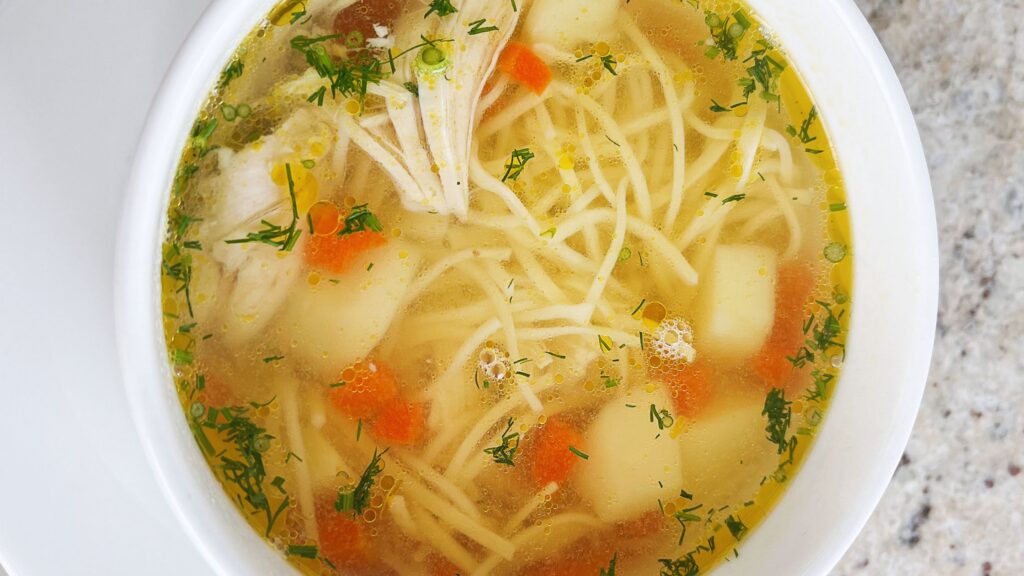
- Tip: If you plan to make this soup ahead of time, consider storing the cooked noodles separately and adding them when reheating. This helps prevent them from becoming overly soft as they sit in the broth.
Which Soups Have the Most Protein?
The protein content of homemade soup can vary significantly depending on the recipe, serving size and quantity of protein-rich ingredients.
The following table provides approximate estimates based on the recipes above. Each recipe makes six servings.
| Soup | Approximate protein per serving |
|---|---|
| Chicken and white bean soup | 25–28 g |
| Turkey and bean soup | 23–26 g |
| Chicken noodle soup | 21–24 g |
| Beef and barley soup | 19–22 g |
| Split pea soup (with ham) | 19–27 g |
| Seafood chowder | 17–21 g |
| Lentil soup | 14–16 g |
| Black bean soup | 13–15 g |
| White bean and kale soup | 13–15 g |
Protein amounts are estimates based on typical ingredient nutrition values and the stated quantities. Actual amounts will vary by brand, ingredient selection and final serving size. Split pea soup has a lower protein content when prepared without ham.
If your main priority is maximizing protein in a single serving, chicken and white bean soup and turkey and bean soup are particularly good places to start. For a plant-based option, lentil soup and split pea soup are excellent choices.
How to Naturally Increase the Protein in Homemade Soup
One of the easiest ways to make homemade soup more protein-rich is to adjust the ingredients you’re already using. You don’t necessarily need to change the entire recipe. A few simple additions can make a meaningful difference.
Here are some easy ways to increase the protein content of your favorite soups.
Add more beans or lentils.
White beans, black beans, chickpeas and lentils are versatile ingredients that work in everything from vegetable soup to tomato-based soups. They also contribute dietary fiber, making them a particularly useful addition.
Use shredded chicken or turkey.
Adding cooked chicken breast or lean turkey is one of the simplest ways to increase the protein content of almost any savory soup. Leftover roasted chicken can work particularly well.
Include edamame.
Edamame is a protein-rich soybean that works in vegetable soups, Asian-inspired broths and miso-based soups. It provides approximately 18 grams of protein per cooked cup.
Stir in an egg.
Eggs are an easy addition to lighter soups. Whisking an egg into hot broth creates delicate ribbons, as traditionally seen in egg drop soup.
Add tofu.
Firm tofu can be cubed and added to vegetable soups, miso broth or noodle soups. It provides plant-based protein and takes on the flavor of the surrounding ingredients.
Choose your broth carefully.
Most standard vegetable and chicken broths contain relatively little protein. Bone broth can provide more, although the amount varies considerably by product. Check the nutrition label rather than assuming all broths are equally protein-rich.
Final Thoughts
Soup season is the perfect opportunity to incorporate more wholesome, nourishing meals into your everyday routine. Whether you prefer a traditional split pea soup, a hearty chicken and white bean soup or a simple bowl of lentil soup, there are plenty of ways to enjoy comforting meals while making protein a priority. The best part is that many of these soups rely on affordable, everyday ingredients that are easy to prepare and adapt to your preferences. A little extra chicken, a handful of beans or a scoop of lentils can go a long way towards making your favorite homemade soup more nourishing. So, the next time you’re preparing a pot of soup, think beyond the broth and consider the ingredients that will make it a more balanced and satisfying meal.
Frequently Asked Questions
What soup has the highest protein content?
Chicken-based soups containing generous portions of chicken breast are generally among the highest in protein. Combining chicken with white beans can increase the protein content further. Turkey and bean soups and beef-based soups are also excellent options.
What is the best high protein vegetarian soup?
Lentil soup and split pea soup are two of the best naturally protein-rich vegetarian options. Black bean soup and white bean soup are also excellent choices, providing both plant-based protein and dietary fiber.
Is vegetable soup high in protein?
Traditional vegetable soup is not necessarily high in protein. Although vegetables provide important vitamins, minerals and fiber, most contain relatively small amounts of protein. Adding lentils, beans, chickpeas or tofu can make vegetable soup a more substantial source of protein.
Does bone broth contain protein?
Yes. Bone broth can contain protein, primarily from collagen and gelatin, but the amount varies depending on the preparation and brand. It should not automatically be considered a complete protein source or a replacement for protein-rich foods such as meat, eggs, fish or legumes.
Can soup be a complete meal?
Absolutely. A well-balanced soup can provide protein, carbohydrates, fiber and healthy fats in one convenient meal. Combining a protein source such as chicken, beans or lentils with vegetables and a whole grain or starchy vegetable can make soup a particularly satisfying lunch or dinner.