Having healthy, thick, and beautiful hair is a common goal for many, but achieving it requires a holistic approach that goes beyond scalp care. From nourishing hair masks to using the right tools and maintaining a balanced diet, every aspect of your hair care routine plays a vital role in promoting ultimate hair health. In this guide, we’ll delve into essential hair care solutions designed to help you achieve the hair of your dreams. Whether you’re looking to enhance shine, boost growth, or prevent damage, these expert tips will provide you with the knowledge you need to cultivate and maintain gorgeous locks.
Ultimate Hair Health Guide:
1. Use Nourishing Hair & Scalp Masks Weekly:
One of the easiest ways to improve the health and appearance of your hair is by incorporating a weekly hair or scalp mask into your routine. While shampoos and conditioners only stay on your hair for a few minutes, masks are designed to penetrate deeper, delivering concentrated moisture, strengthening ingredients, and nutrients that help repair damage over time.
The key is choosing a treatment that matches your hair’s needs. A moisturizing mask may work wonders for dry, brittle hair but could weigh down fine strands, while protein-rich formulas can strengthen damaged hair but shouldn’t be overused if your hair is already healthy.
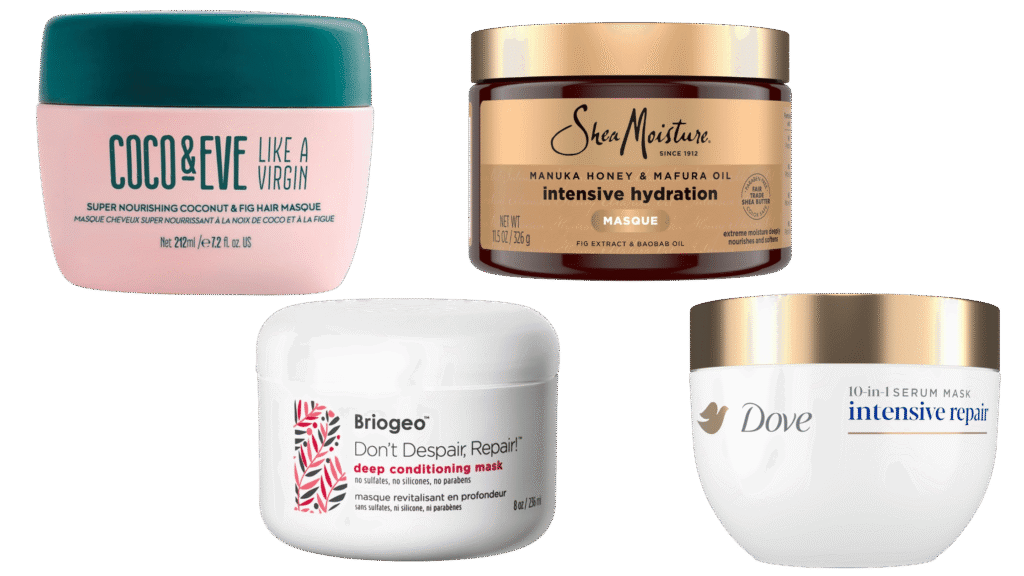
Hair Masks for Dry or High Porosity Hair
If your hair feels rough, frizzy, tangles easily, or seems to absorb products quickly but dries out just as fast, you may have high porosity hair. These hair types benefit from deeply moisturizing masks containing ingredients like coconut oil, shea butter, avocado oil, argan oil, ceramides, and hyaluronic acid.
Using a rich conditioning treatment once a week helps smooth the hair cuticle, lock in moisture, reduce breakage, and restore softness and shine.
Recommended Products:
- Coco & Eve Like A Virgin Hair Masque
- Briogeo Don’t Despair, Repair! Deep Conditioning Mask
- SheaMoisture Manuka Honey & Mafura Oil Intensive Hydration Masque
- Dove Hair Intensive Repair 10in1 Serum Mask
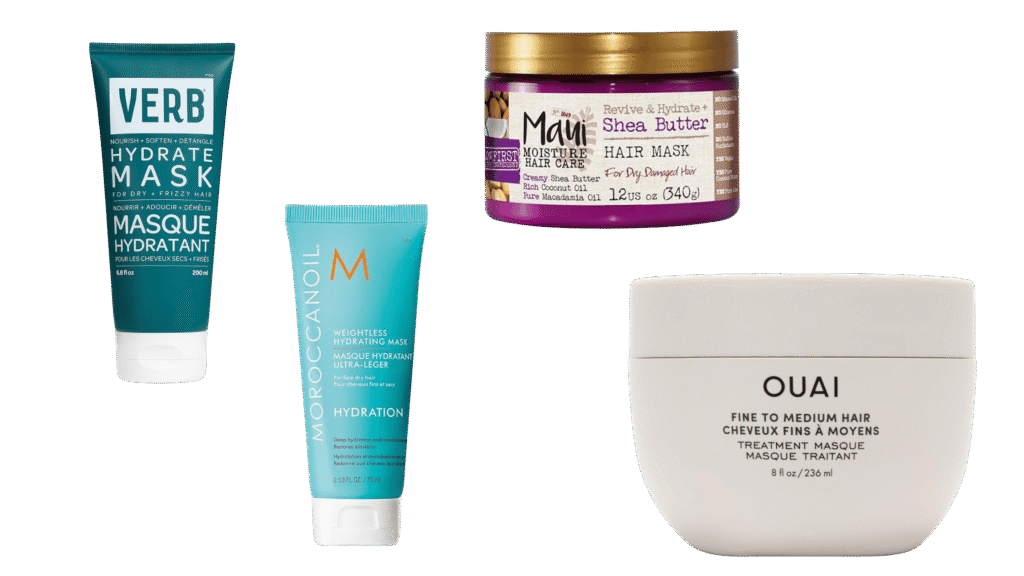
Hair Masks for Fine or Low Porosity Hair
Low porosity hair has tightly closed cuticles, making it harder for moisture to penetrate. Heavy butters and oils can often leave hair looking greasy without actually hydrating it.
Instead, look for lightweight masks with ingredients such as aloe vera, glycerin, rice water, amino acids, and lightweight plant oils like jojoba or grapeseed oil. Applying your mask with gentle heat—such as wrapping your hair in a warm towel—can also help the treatment absorb more effectively.
Recommended Products:
- Moroccanoil Weightless Hydrating Mask
- Maui Moisture Heal & Hydrate Shea Butter Hair Mask
- Verb Hydrate Mask
- OUAI Fine to Medium Hair Treatment Mask
Protein Treatments for Damaged Hair
If your hair has been bleached, colored frequently, heat styled, or chemically treated, incorporating a protein treatment every few weeks can help rebuild strength and reduce breakage.
Protein masks work by temporarily filling in weak spots along the hair shaft, making strands feel stronger and more resilient. However, balance is important—using too much protein can leave hair feeling stiff or brittle.
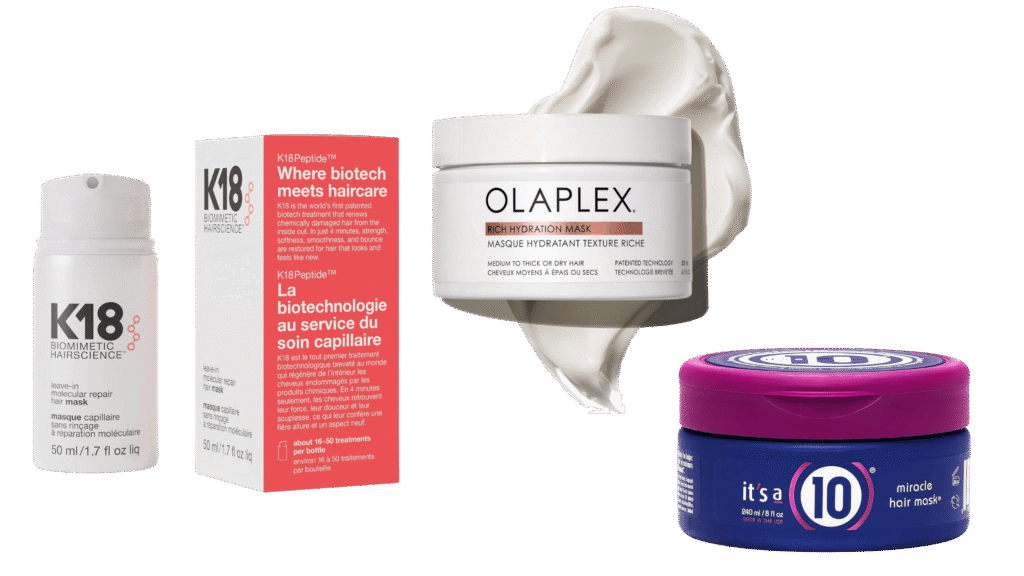
Recommended Products:
- K18 Leave-In Molecular Repair Hair Mask
- Olaplex No. 8 Bond Intense Moisture Mask
- It’s a 10 Miracle Hair Mask
Don’t Forget Your Scalp
Healthy hair starts with a healthy scalp. Product buildup, excess oil, dryness, or poor circulation can all affect the environment where your hair grows.
A weekly scalp treatment can help remove buildup, soothe irritation, improve hydration, and create healthier conditions for strong hair growth. Look for ingredients like rosemary oil, peppermint oil, tea tree oil, salicylic acid, niacinamide, or nourishing botanical oils.
If you’re using castor oil as a scalp treatment, massage a small amount into your scalp for several minutes to help stimulate circulation. Leave it on for 30 minutes or overnight before shampooing thoroughly. Because castor oil is quite thick and can stain pillowcases, consider protecting your bedding if you leave it on overnight.
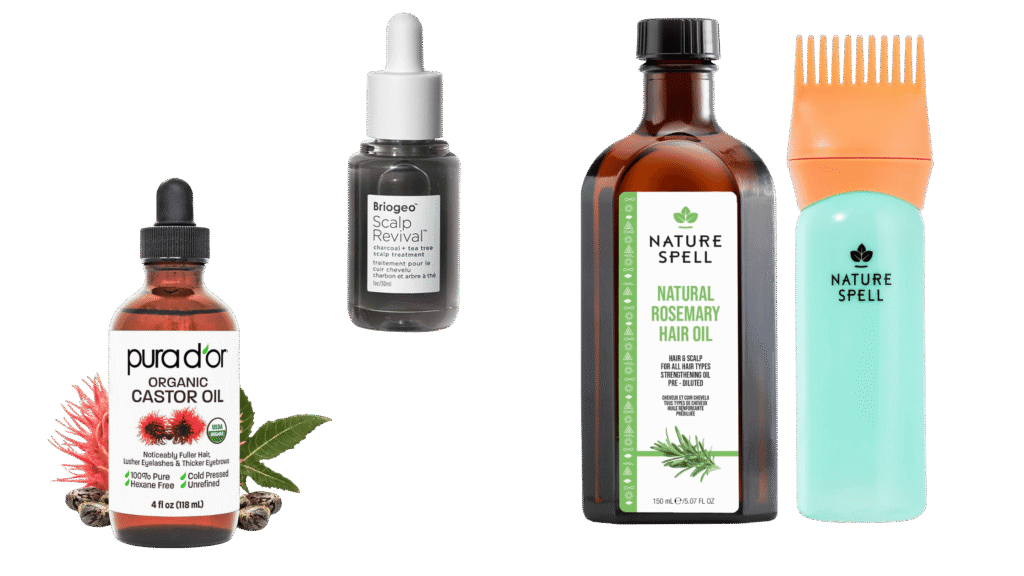
Recommended Products:
- PURA D’OR Organic Castor Oil
- Nature Spell Rosemary Oil For Hair Growth With Root Comb Applicator
- Briogeo Scalp Revival Charcoal + Tea Tree Scalp Mask
A Simple Weekly Routine
For most hair types, using a hair mask once a week is enough to maintain healthy, hydrated hair. If your hair is extremely dry or damaged, you may benefit from two treatments per week until your hair begins to recover. Pairing a nourishing hair mask with a scalp treatment creates a complete routine that supports healthier hair from root to tip.
2. Seal in Moisture by Oiling Your Hair Ends
One of the simplest ways to protect your hair from breakage is by regularly applying a nourishing hair oil to your ends. Since the ends of your hair are the oldest and most fragile, they lose moisture more quickly and are often the first area to develop split ends.
While hair oils won’t permanently repair split ends, they can help smooth the hair cuticle, reduce frizz, improve shine, minimize tangles, and lock in moisture. Over time, this can help reduce breakage and make it easier to retain healthy hair length.
The key is choosing the right oil for your hair’s porosity.
Best Oils for High Porosity Hair
High porosity hair absorbs moisture easily but struggles to hold onto it. If your hair is dry, frizzy, color-treated, or prone to breakage, richer oils can help seal the cuticle and prevent moisture loss.
Look for oils such as:
- Argan oil
- Coconut oil
- Avocado oil
- Olive oil
- Castor oil (best used sparingly on the ends because it’s quite thick)
Best Oils for Dry, Damaged or High Porosity Hair
Best Oils for Low Porosity Hair
Low porosity hair has tightly packed cuticles that make it harder for heavier oils to absorb. Lightweight oils are usually a better choice because they hydrate without leaving behind a greasy residue.
Look for oils such as:
- Jojoba oil
- Grapeseed oil
- Sweet almond oil
- Camellia oil
- Squalane oil
Best Oils for Fine or Low Porosity Hair
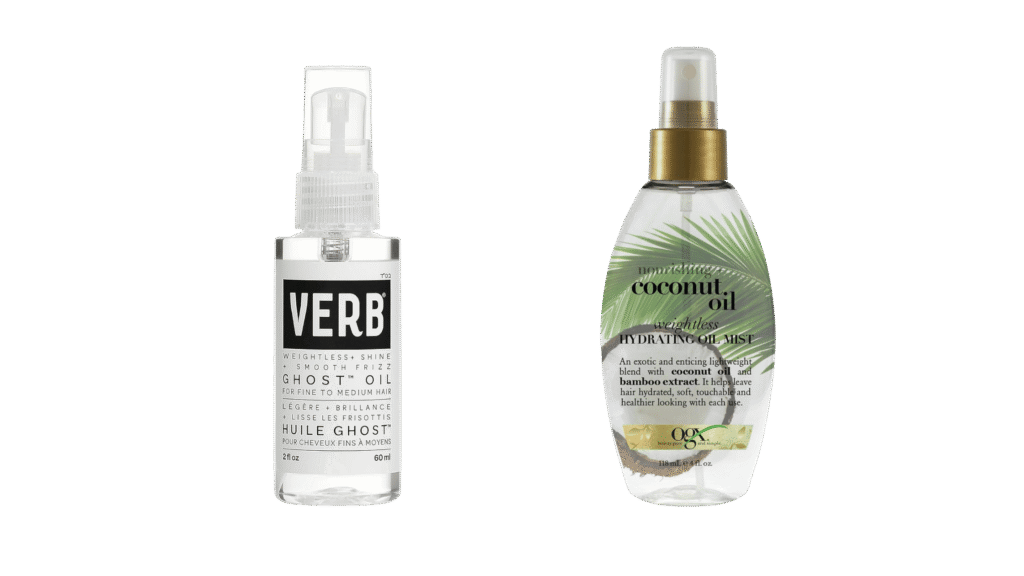
How to Oil Your Hair Ends
For the best results, apply a few drops of hair oil to damp hair after washing. This helps seal moisture into the hair shaft while reducing frizz and adding shine.
Rub 2–5 drops between your palms and gently smooth the oil through the bottom third of your hair, concentrating on the driest areas and avoiding the roots unless you’re performing a dedicated scalp treatment.
You can also apply one or two drops to dry hair between wash days to refresh dry ends and tame flyaways.
How Often Should You Oil Your Hair?
Most hair types benefit from applying a hair oil one to three times per week.
- Fine or low porosity hair: Use a lightweight oil once or twice weekly.
- Medium hair: Apply after every wash and as needed between washes.
- Curly, coily, dry, or high porosity hair: Richer oils can be used after every wash and reapplied throughout the week whenever your ends begin to feel dry.
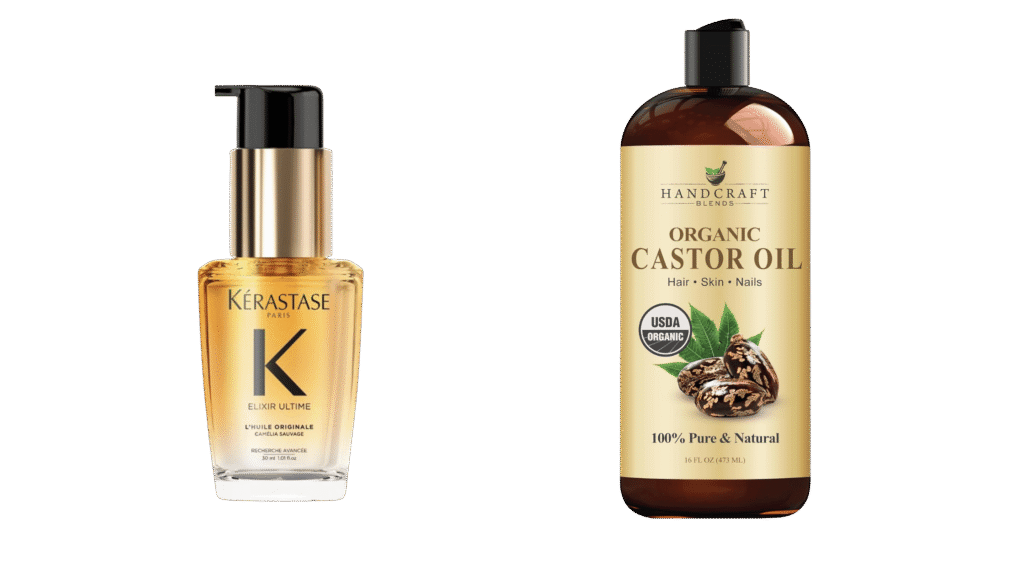
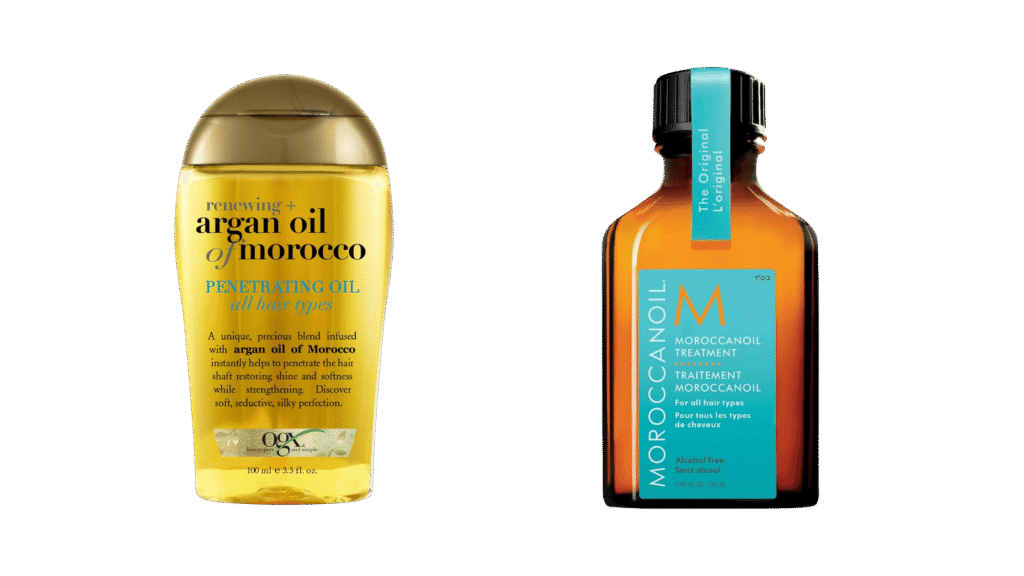
Our Recommended Hair Oils:
If you’re shopping for a nourishing hair oil, these are some excellent options for different hair types.
Best Budget-Friendly Hair Oil
Best Luxury Hair Oil
Using a quality hair oil consistently is one of the easiest ways to reduce breakage and improve the overall health of your hair. When your ends stay hydrated and protected, they’re less likely to split, allowing you to retain more length between trims.
Sources: WebMD: Benefits of Hair Oils
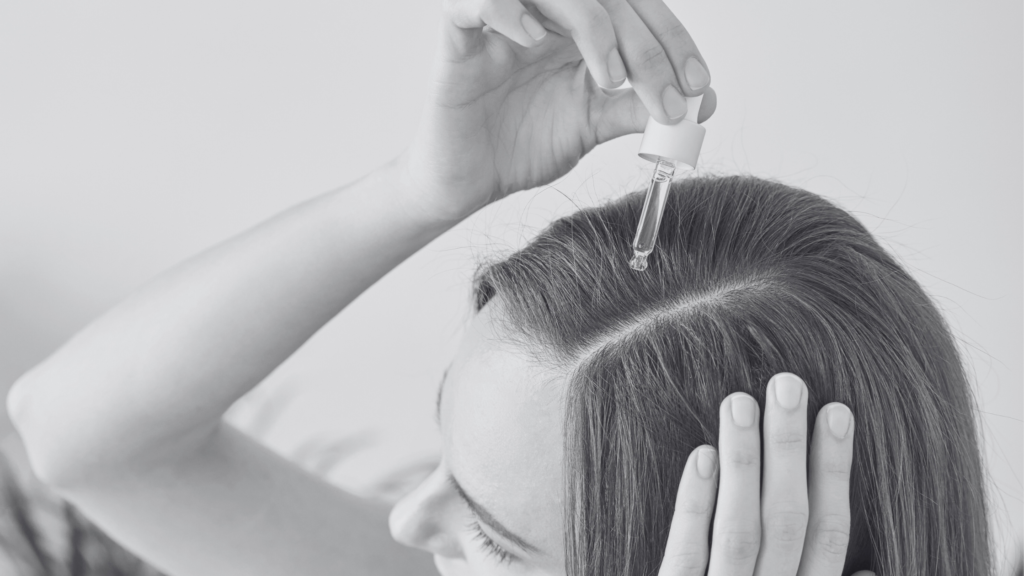
3. Support Healthy Hair Growth with a Nourishing Scalp Serum
Healthy hair starts at the scalp. While it’s easy to focus on repairing damaged strands, creating a healthy scalp environment is just as important for supporting stronger, fuller-looking hair over time.
Scalp serums (sometimes called scalp drops) are lightweight treatments designed to nourish the scalp, improve hydration, reduce buildup, and support healthy hair growth. Many formulas contain botanical extracts, peptides, antioxidants, and essential oils that help create the ideal conditions for healthier hair.
If you’re experiencing dryness, excess oil, flakes, or simply want to encourage thicker-looking hair, adding a scalp serum to your routine can make a noticeable difference.
Ingredients to Look For:
Different scalp concerns call for different ingredients. Look for a serum that matches your hair goals.
For promoting healthy hair growth:
Look for ingredients such as:
- Rosemary oil
- Caffeine
- Peptides
- Biotin
- Red clover extract
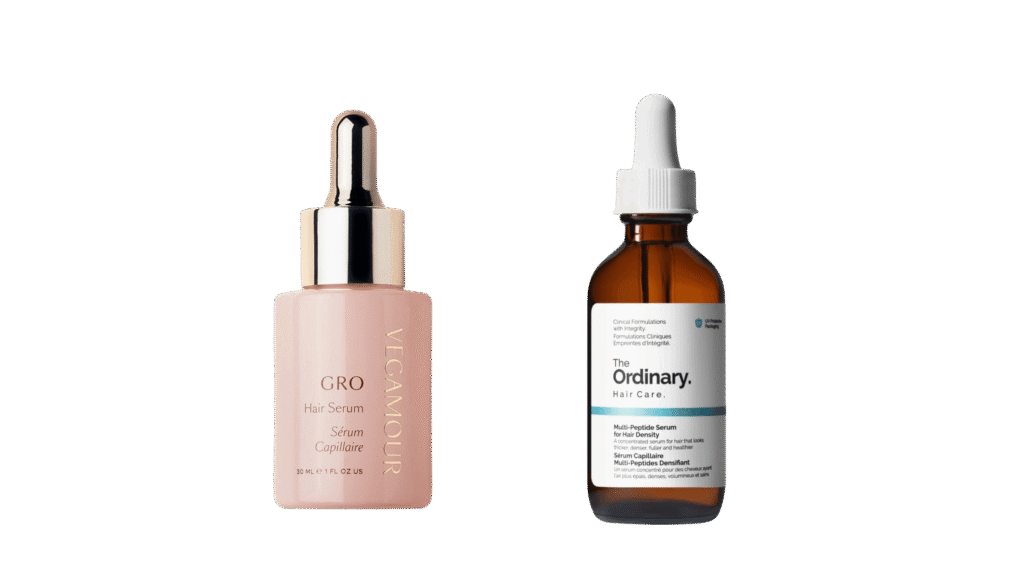
Product Recommendations:
- Vegamour GRO Hair Serum – A lightweight serum designed to reduce shedding and support thicker-looking hair.
- The Ordinary Multi-Peptide Serum for Hair Density – An affordable peptide serum that’s suitable for most hair types.
For dry or sensitive scalps:
If your scalp often feels itchy, flaky, or tight, choose hydrating ingredients that help soothe irritation while strengthening your skin barrier.
Look for:
- Aloe vera
- Hyaluronic acid
- Niacinamide
- Chamomile
- Oat extract
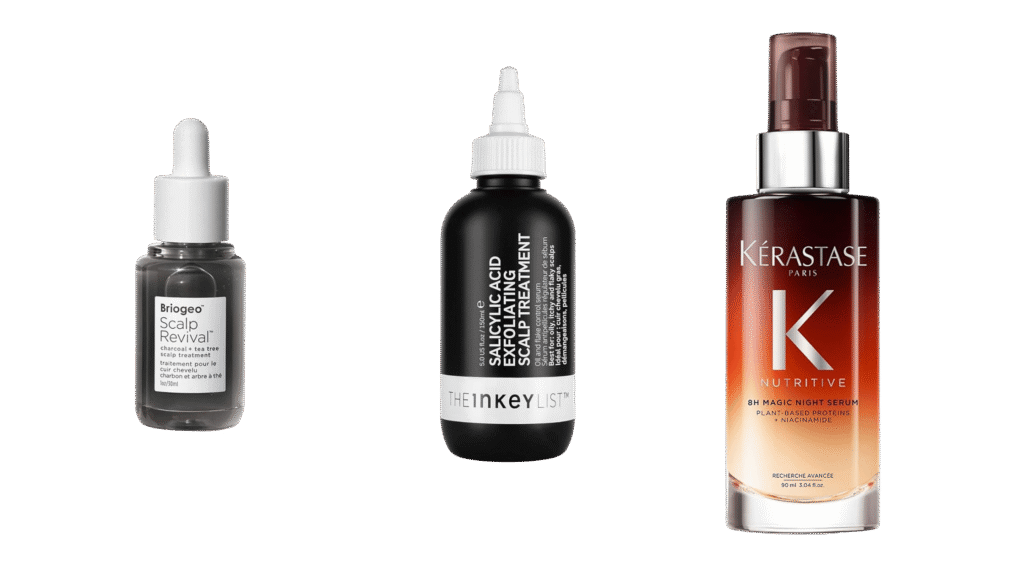
Product Recommendations:
- Briogeo Scalp Revival Charcoal + Tea Tree Treatment – Excellent for soothing irritation while gently removing buildup.
- The INKEY List Hyaluronic Acid Exfoliating Scalp Treatment – Helps hydrate dry scalps without feeling greasy.
- Kérastase Initialiste Advanced Scalp & Hair Serum – A luxurious daily serum that hydrates while supporting healthier-looking hair.
For oily scalps or product buildup:
If your scalp becomes oily quickly or you use lots of styling products, a clarifying scalp serum can help keep hair follicles clear while balancing excess oil.
Look for:
- Tea tree oil
- Salicylic acid
- Witch hazel
- Peppermint oil
Product Recommendations:
How to Apply a Scalp Serum
Apply a few drops directly onto a clean scalp, concentrating on areas where you’d like to encourage fuller-looking hair.
Using your fingertips—or even better, a silicone scalp massager, gently massage the serum into your scalp for two to five minutes. This not only helps distribute the product evenly but may also improve circulation and turn your hair care routine into a relaxing act of self-care.
Most scalp serums are leave-in treatments, so always follow the directions provided with your chosen product.
Related Reading: 5 Expert Tips for Optimal Scalp Health and Gorgeous Hair
4. Using a Natural Brush:
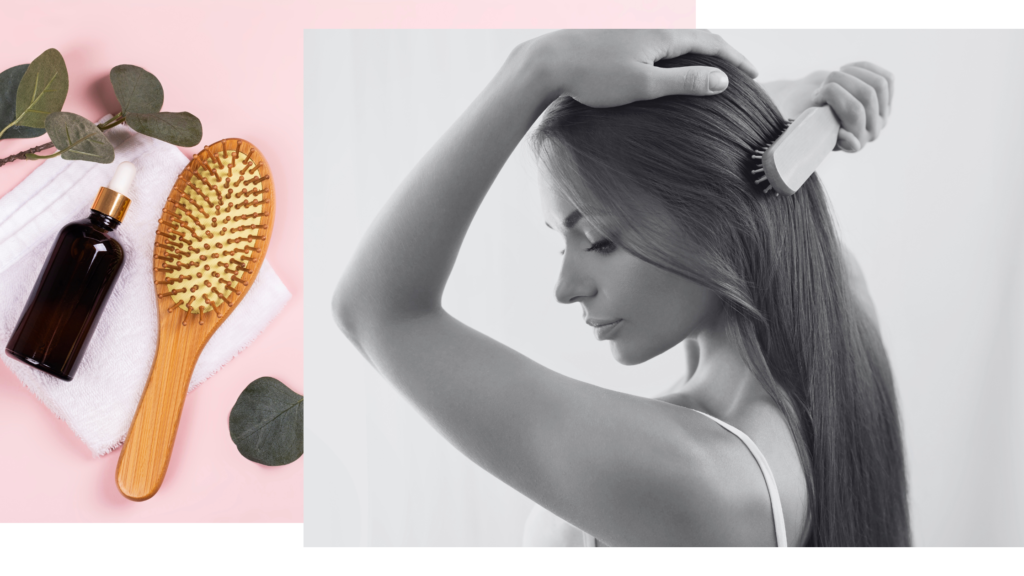
A natural bamboo brush helps distribute the scalp’s natural oils throughout the hair strand, promoting healthy shine and reducing the need for additional hair products. Unlike synthetic brushes, bamboo brushes are gentle on the scalp and hair, minimizing breakage and damage.
Benefits:
- Even distribution of natural oils ( allowing for less frequent washes and less greasy hair)
- Reduced hair breakage
- Environmentally friendly
Amazon Best Selling Product Recommendation:
5. Sleeping with Your Hair in a Silk Bonnet or Braid
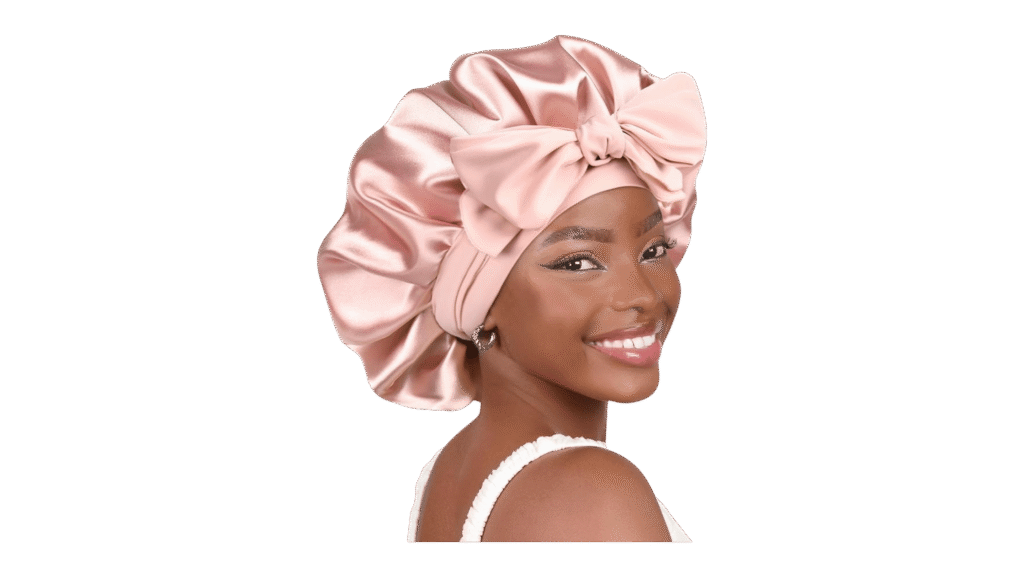
Protecting your hair while you sleep is crucial for preventing damage and breakage. Sleeping with your hair in a silk bonnet or a braid, along with using a silk pillowcase, can reduce friction and keep your hair smooth and tangle-free.
Benefits:
- Reduced friction and hair breakage
- Maintained moisture levels
- Less tangling and frizz
Amazon Best Selling Product Recommendation:
Sources: Good Housekeeping: Benefits of Silk Pillowcases
6. Nutrition for Hair Health: Best Foods for Hair Growth
Your diet plays a significant role in the health of your hair. Consuming a balanced diet rich in essential nutrients can promote hair growth and prevent hair loss. Key foods to include are:
- Eggs: Rich in protein and biotin, essential for hair growth.
- Spinach: High in iron and vitamins A and C, which help in producing sebum and maintaining hair health. (cooked or steamed is best)
- Fatty Fish: Contains omega-3 fatty acids that nourish hair follicles.
- Sweet Potatoes: A great source of beta-carotene, which converts to vitamin A and promotes a healthy scalp.
- Nuts and Seeds: Packed with vitamins E, B, zinc, and essential fatty acids.
- Seaweed and Kelp: These marine superfoods are excellent sources of iodine, which supports thyroid function and, in turn, promotes healthy hair growth. They also contain a variety of vitamins and minerals, such as iron, zinc, and vitamins A and C, which contribute to overall hair health.

Achieving and maintaining healthy, thick, and beautiful hair requires a multifaceted approach. By incorporating nourishing hair masks, regularly oiling your ends, using targeted scalp drops, brushing with a natural bamboo brush, protecting your hair while you sleep, and eating a nutrient-rich diet, you can significantly enhance your hair’s health and appearance. Embrace these expert tips and enjoy the journey to your best hair yet and ultimate hair health. But remember, like most things it will take some time so stay consistent and be patient. Scalp and Hair health are not one in the same, you need to take care of both in order to have you most beautiful hair.
Start your hair health journey today, you won’t regret it! x
Disclaimer: As an Amazon Associate, we earn from qualifying purchases. This helps support the blog at no extra cost to you!
- Related Article: The Best Fall Superfoods for Healthy Hair